)

The Designer Edit: Keshia Groenendaal, Studio Bower
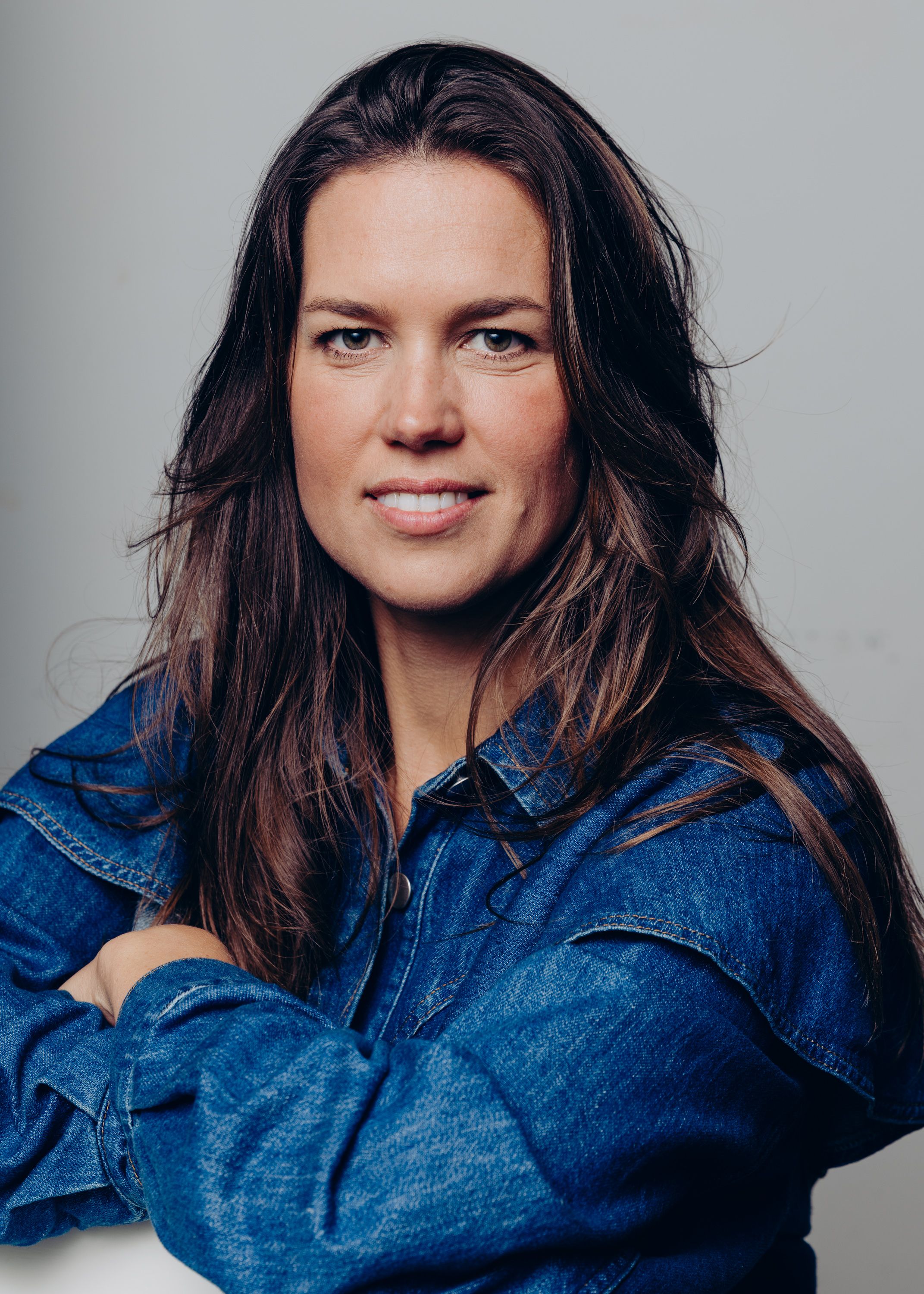 Can you briefly tell us about your background and education?
After secondary school, I moved to Breda to study at St. Joost School of Art & Design, where I graduated as an interior architect. Still young and eager to explore the world, I then moved to Australia to pursue my master’s degree, an experience that greatly broadened my perspective. Before founding my own studio, I spent over ten years working for several architectural firms, including Concrete, Mecanoo, and Apto. During this time, I focused primarily on hospitality projects. These years not only provided me with extensive experience but also ignited a deep passion for designing spaces that offer an experience, rather than just a building.
What makes Studio Bower unique?
Our work and approach begin with the space itself. Rather than imposing a concept from the outside, we carefully analyze what is already present: what can be preserved, reinterpreted, or used in a new way, and we explore the inherent qualities of the space. We also aim to make every square meter count. Space is increasingly scarce, particularly in urban environments, so we always consider how to create more value within the existing footprint.
Often, choosing not to build anew is the most sustainable solution. Given the significant environmental impact of the construction industry, working with what already exists, and enhancing it, frequently makes far more sense.
This approach results in designs that are not only efficient and sustainable but also deeply connected to their context.
What is Hybrid Hospitality?
Hybrid hospitality combines concepts such as hotels, co-living, co-working, members’ clubs, entertainment, wellness, and F&B into a single space. The pandemic revealed the vulnerability of the hospitality sector, highlighting the need for greater flexibility. By adopting a mixed-use approach, hotels can create a more resilient foundation. In addition, multi-purpose hotels strengthen the connection between the city and its neighborhoods, rather than limiting services to tourists and business travelers from out of town.
How do you start a project?
Every project begins with a close examination of the building and the people who will use it, both guests and operators. Before considering colors, materials, or furniture, we focus on understanding how the space functions and where it could be improved. We observe how people move through it, whether the circulation feels intuitive, and whether every area is being used to its full potential. 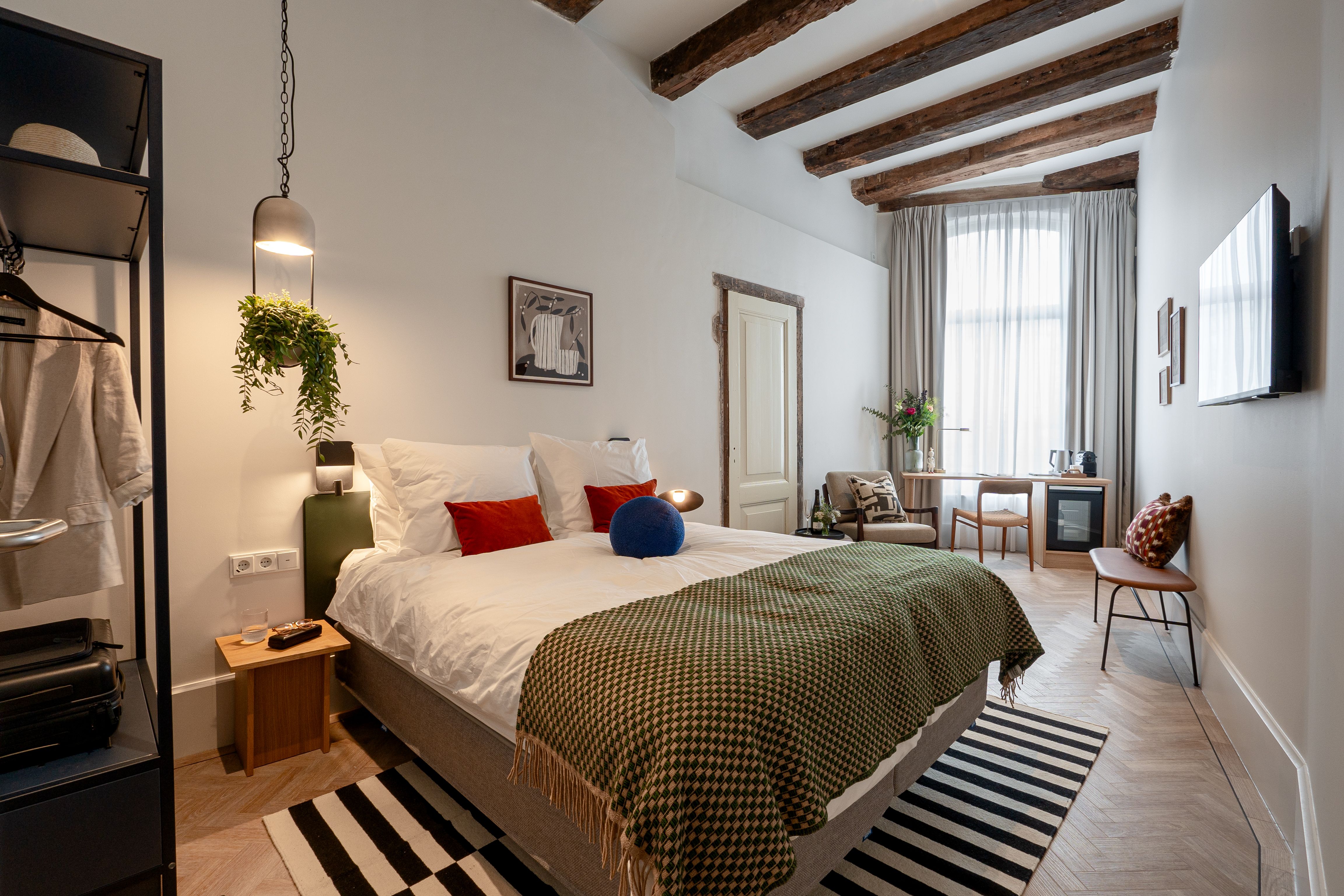
We often discover that spaces can serve far more purposes than originally intended. A lobby, for example, can double as a workspace; conference rooms can host yoga classes or workshops if designed flexibly; and a restaurant might serve breakfast or casual meetings during the day before transforming into a dining venue or event space in the evening. By thoughtfully combining functions, a space becomes not only more efficient but also more dynamic and engaging. Only once this foundation is established do we begin shaping its atmosphere and identity.
What is the most remarkable project you have ever worked on?
One of the most remarkable projects I worked on came early in my career: the W Hotel in Verbier, which I spent two years on during my first job at Concrete. On this project, it felt like anything was possible. Ambitions were high, the sky was the limit, and the budget seemed almost unlimited. Then the 2009 financial crisis hit, affecting the client as well, and we suddenly had to make drastic cuts. Large parts of the design were scrapped, and we were constantly challenged to find creative solutions and compromises. In the end, it taught me a tremendous amount about flexibility, resilience, and maintaining quality under pressure. It was demanding and sometimes frustrating, but ultimately an invaluable learning experience.
A very different, yet equally special project was the renovation of an apartment I completed a year ago together with my dad. We transformed it into a fully gas-free home, with every decision, from technical systems to materials, driven by sustainability. Beyond the design itself, it was incredibly meaningful to work with my dad, who is also an architect. His experience and knowledge taught me a great deal, making the project both professionally and personally rewarding.
What will you be doing for the Independent Hotel Show Amsterdam?
I’m designing Social Business Space this year.
Can you tell something about the concept?
Certainly! Today, we spend a large part of our lives on our phones, and daily life often feels like a constant rat race. A trade fair amplifies this even further, people are constantly competing for your attention.
With the Social Business Space, we wanted to create a moment of calm: a place where visitors can slow down and step away from the surrounding intensity. At the same time, connecting with others is one of the main reasons people attend a fair. Our goal was therefore not only to offer a space to relax, but also to subtly encourage meaningful interaction.
This year’s concept is inspired by the so-called Blue Zones, regions in the world where people tend to live exceptionally long and healthy lives, largely due to lifestyles characterised by physical activity, low stress levels and strong social connections. This idea became the foundation of the design.
We quite literally immersed the space in blue (a very bright blue!) creating a bold visual landmark within the busy exhibition floor. In addition, we introduced small elements inspired by Blue Zone principles that invite interaction, such as games, reflective questions and other playful surprises. These encourage visitors to put their phones away, slow down and engage in genuine conversations with one another.
What was your inspiration for this?
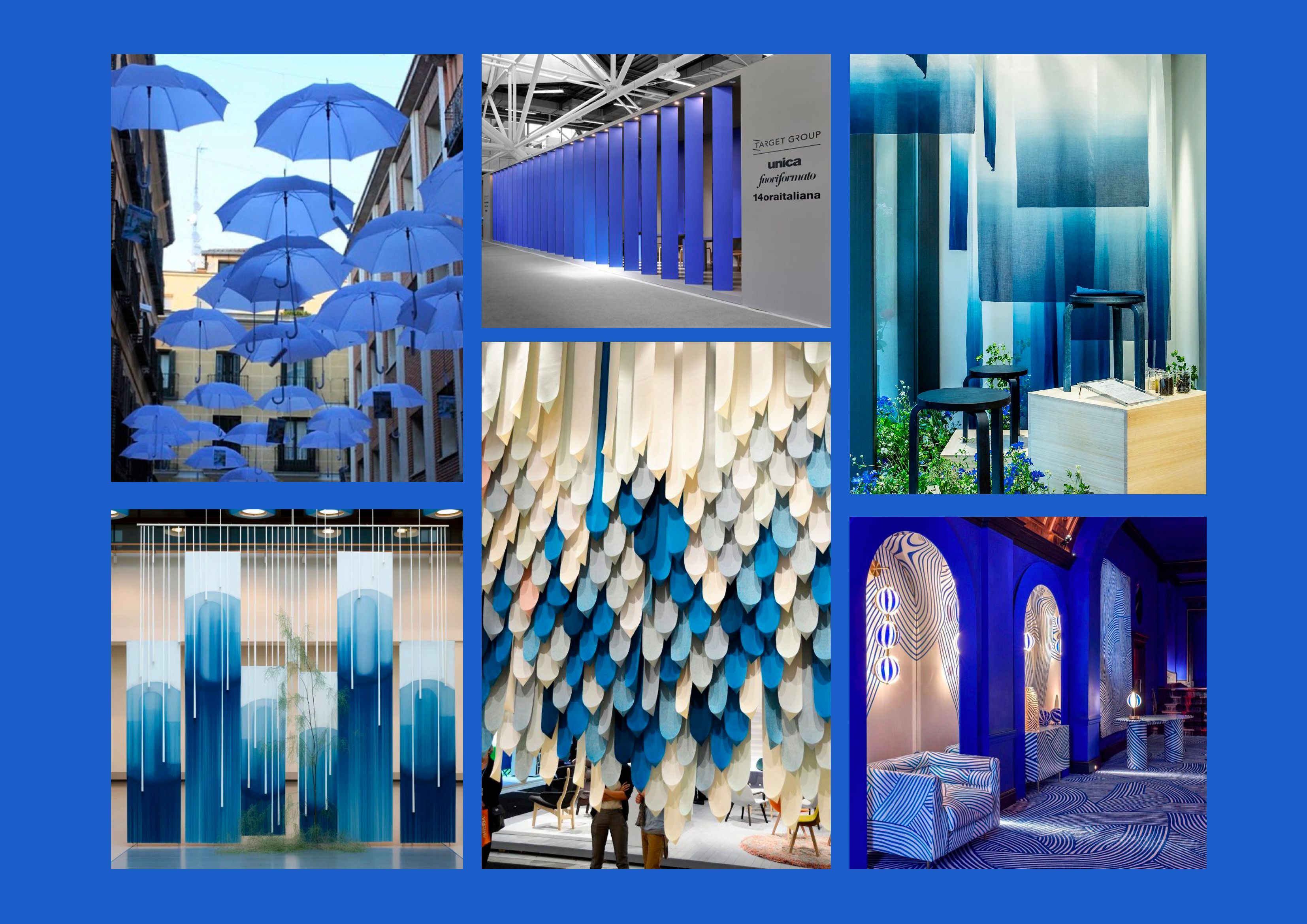
The inspiration for this concept comes from research I conducted last year while writing a chapter for the book The Future of Hotels. During this process, I delved deeply into emerging trends and future developments within the hospitality sector.
I’ve observed that the boundaries between traditional hotel functions are increasingly blurring. Hotels are evolving into self-contained ecosystems—small “villages” where work, leisure, wellness, and social connection merge seamlessly. Fitness and mindfulness areas encourage self-care, spas support recovery, farm-to-table dining nourishes from within, and thoughtfully curated local experiences create lasting memories. Guests no longer simply stay; ideally, they leave feeling better than when they arrived.
Well-being has emerged as a central driver of this evolution. The hospitality and travel sectors have experienced a dramatic surge in demand for wellness-oriented experiences, now among the fastest-growing segments in the market. Today’s guests, particularly Gen Z, are seeking more than just a place to sleep. They want environments that actively support their physical, mental, and emotional health.
This perspective became the foundation for the Social Business Space: a design aimed not only at efficiency but also at encouraging visitors to slow down, recharge, and connect with others in meaningful ways.
What do you hope to gain from the Independent Hotel Show?
Although I have extensive experience in the hospitality sector, particularly with hotel projects, I have not yet established a strong network within this specific community. The Independent Hotel Show therefore represents a valuable opportunity to connect with new people and strengthen my presence within the hospitality world.
What is your personal connection to the hospitality world?
My very first job was at Hotel Mitland in Utrecht. I started there as a housekeeper when I was 15 and the following year I asked if I could work as a waitress in the restaurant. In total, I worked there for three years, gaining insight into the hotel world from the inside (from behind-the-scenes operations to direct guest interaction).
I believe that’s where my love for hotels began. I was fascinated by how a hotel can serve as a temporary home for so many different people, each with their own story, background and expectations. That unique combination of hospitality, experience and functionality is something I continue to bring into my work today.
What is the difference between a design for a boutique hotel and a private residence?
A hotel, whether boutique or otherwise, needs a clear narrative. Guests enjoy discovering that story, and it often becomes the aspect they remember and share after a great stay. This narrative helps establish a distinctive identity and creates a memorable experience.
Because stays are temporary, designers have more freedom to take bolder risks in concept, design, color, or materials, choices that might feel too intense or impractical for everyday life in a private home.
A residence, by contrast, does not require such an explicit concept. Its primary purpose is to support the long-term comfort and daily routines of its inhabitants. Consequently, more radical design choices are often avoided, with greater emphasis placed on durability, functionality, and a sense of personal familiarity. 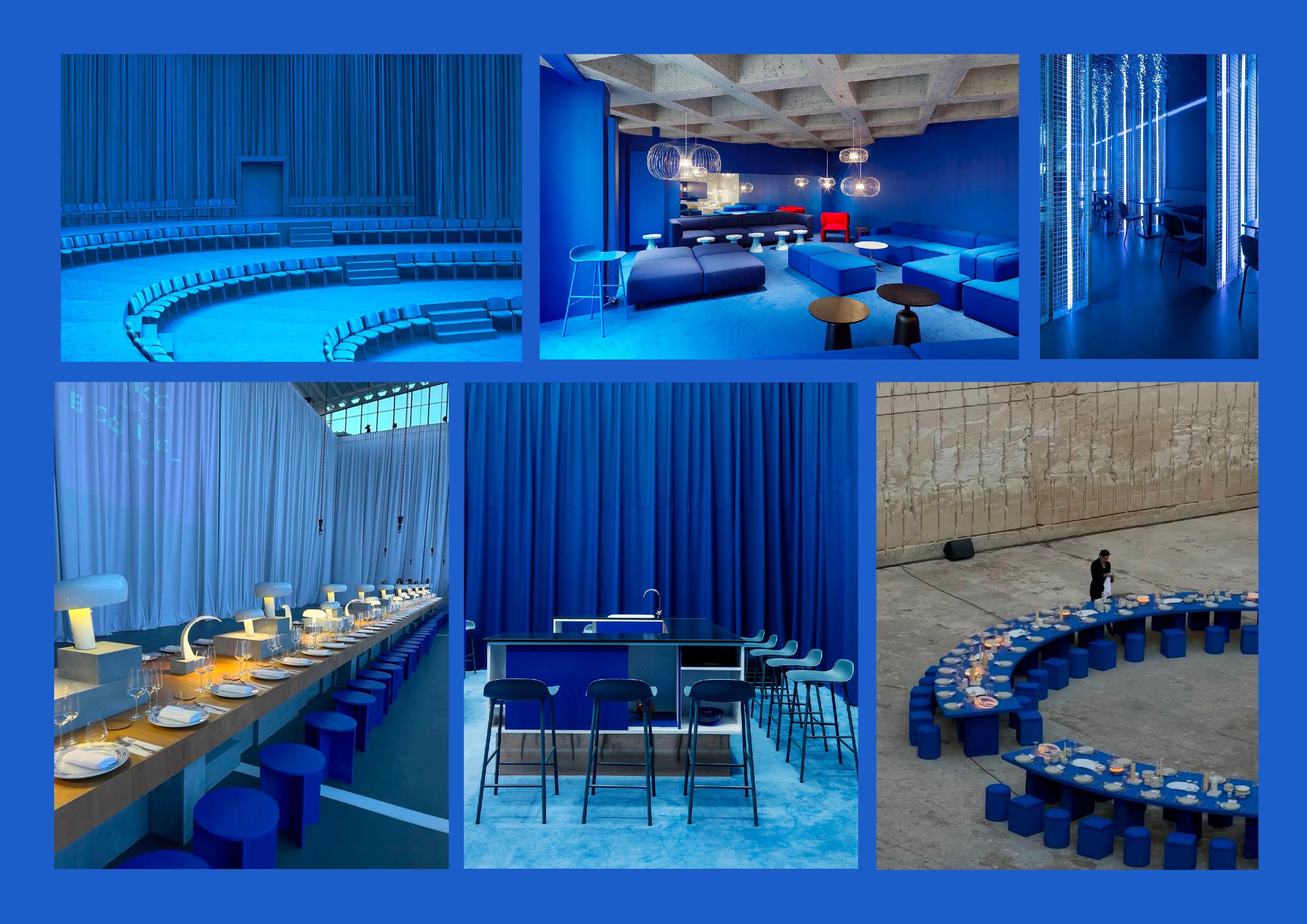
Why do you value craftsmanship?
Craftsmanship feels like an important counterbalance to our increasingly digital world. It makes things more unique, more human and less perfect. And that’s exactly what many people are drawn to today. It adds character and authenticity that mass-produced solutions often miss.
Handmade elements also carry a story. You can sense that they were made by real people, which creates a stronger connection to the space. In a time when so much is standardised and computer-generated, these human qualities feel especially meaningful.
What are the three most important interior design trends right now?
Three key interior design trends right now are hospitality-driven design, multifunctionality, and nature-inspired interiors.
First, hospitality continues to exert a strong influence on other sectors. Hotels have become experts at creating compact yet comfortable environments that balance aesthetics, functionality, and experience. This approach is increasingly applied to offices, residential buildings, and public spaces, where people now expect the same level of comfort, atmosphere, and service.
Second, multifunctional solutions are becoming essential as urban living spaces shrink. Designers and residents are seeking ways to make compact homes feel spacious, flexible, and highly efficient. Many of these strategies originate from the hotel world, where space has always been optimized, examples include fold-away beds, integrated storage, and compact yet luxurious bedroom layouts that make the most of every square meter.
Finally, there is a growing emphasis on nature-inspired interiors. Organic shapes, curved lines, natural materials, and color palettes drawn from the natural world, often described as biophilic design, are becoming increasingly popular. These elements create calming, human-centered environments that support well-being and provide a welcome counterbalance to increasingly digital lifestyles.
Do your designs reflect current trends?
It is almost impossible not to be influenced by trends to some extent. However, I strive to create designs that feel contemporary ather than trend-dependent. My goal is to design spaces that remain relevant and enjoyable for many years, focusing on quality, atmosphere, and human experience rather than short-lived aesthetics.
What is your favorite workspace?
My own studio in Amsterdam East. Before I had a dedicated space, I really enjoyed working at ZOKU on Wibautstraat.
What would your dream project be?
Designing a hotel abroad, ideally in a stunning location by the sea or surrounded by nature. It would be incredibly exciting to create a place where architecture, landscape, and guest experience come together seamlessly. I would love to design a hotel where visitors can truly disconnect from daily life and fully immerse themselves in their surroundings.
)
)
)
)
)
)
)
)

)
)
)
)
)
)
)
)
)
)
)
)
)
)
)
)
)
)
)
)
)