)
The Designer Edit: Merav Bustan Design Studio, Via Antwerp
Tell us about your journey into design and what first drew you to working in hospitality and hotel interiors.
I was always drawn to design and aesthetics from a very young age. My Mom (RIP) was very creative and drew me into her world of art and craftsmanship. After she passed, as a child, I loved the idea that spaces could transport you somewhere else - that a room could feel like its own little world.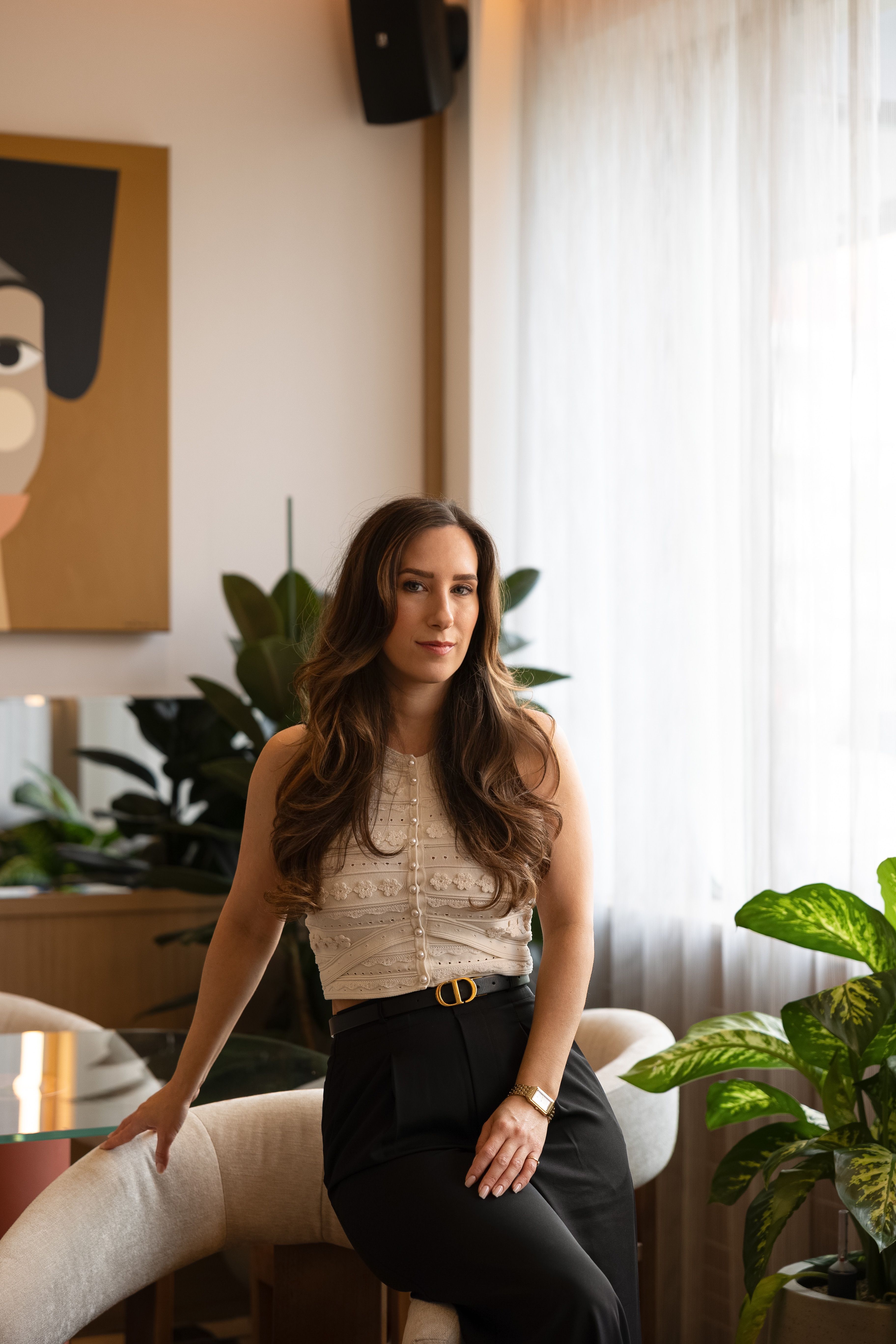
I started working in hospitality quite early and continued throughout my design studies. I spent years working as a waitress and bartender, which gave me a very practical understanding of how hospitality spaces actually function. When you work behind the bar or on the floor, you experience the space in a completely different way than a guest does. I started noticing how small design decisions affect everything: the flow of service, how staff move, how people gather, and where conversations happen. I often found myself trying to improve these places while I was working in them.
That experience shaped the way I approach hospitality design today. For me, a great hotel is not just about aesthetics - it’s about creating an experience that works seamlessly for both guests and staff. Hospitality spaces are incredibly dynamic environments, and that complexity is exactly what makes them so exciting to design.
Hospitality design isn’t just about creating beautiful interiors - it’s about shaping experiences, balancing storytelling, atmosphere, and functionality. This is what drew me to hotels and restaurants and continues to fascinate me today.
What was your vision when designing VIA Antwerp, and how did you want guests to feel when they entered the space?
From the very beginning, the vision for VIA Antwerp was to create a hotel that feels vibrant, social, and deeply connected to the city around it.
Rather than designing a traditional hotel lobby, we wanted the ground floor to feel more like a friend’s living room in the city - a place where guests and locals naturally mix. The goal was to create a welcoming, slightly playful atmosphere where people feel comfortable staying longer, whether they’re meeting friends, working on their laptop, or simply enjoying the space.
At the same time, we wanted guests to feel a sense of discovery as they move through the hotel. Each space reveals a slightly different atmosphere, so the experience unfolds gradually rather than presenting everything at once, and the guest's feelings and even behavior change as they move through the different spaces.
How would you describe the overall design identity of VIA Antwerp, and what key elements define its look and feel?
The design identity of VIA Antwerp is playful, expressive, and strongly connected to its surroundings. The design combines organic contemporary elements, creating a warm, layered space that reflects the vibrancy of the city, while offering guests an inviting and comfortable atmosphere to linger in.
The concept actually started with the Zurenborg neighborhood, where the hotel is located. This area of Antwerp is known for its remarkable Art Nouveau and Art Deco architecture. Instead of copying these styles directly, we wanted to reinterpret them in a contemporary and more playful way.
One of the most important ideas behind the design is what I like to call the scenography of the space. As guests move through the hotel, they experience different “scenes” - each space has its own atmosphere, yet they are all connected by a common design thread.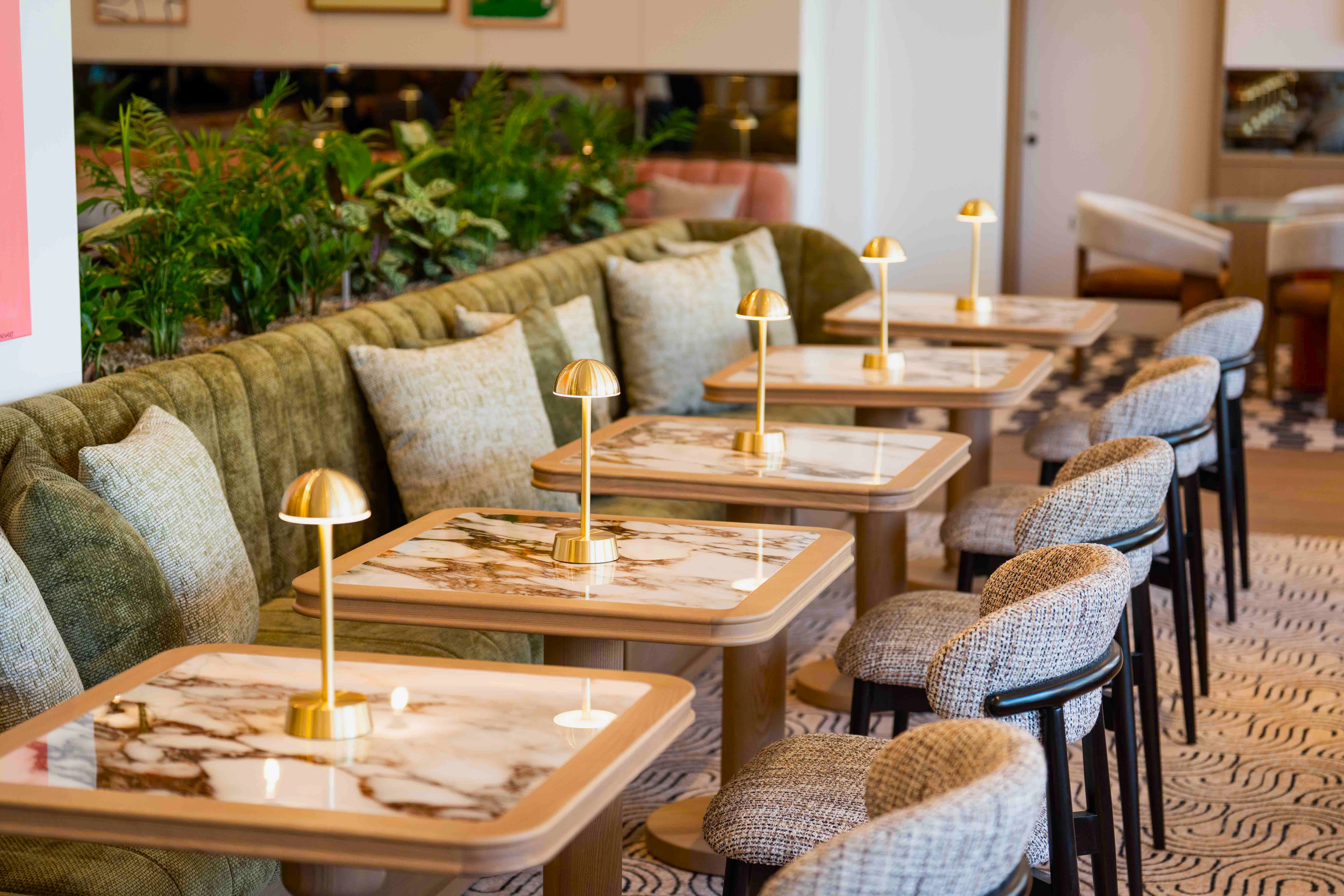
The lobby feels social and welcoming, the restaurant has a slightly different energy, the corridors shift into a calmer and more intimate atmosphere, and the rooms become a place to fully unwind. This sequence creates a narrative journey through the hotel rather than a single static experience.
Hotels today are increasingly social spaces. How did you design VIA to encourage interaction and energy while still feeling comfortable for guests?
From the beginning, the ambition was for VIA Antwerp to function not just as a hotel, but as a local social hub.
This idea shaped the layout planning, which was one of the most critical parts of the project. The ground floor is organized around a central core where reception, the bar, and the public spaces connect visually and spatially. This layout encourages movement and interaction while still maintaining clear zones between hotel and restaurant functions. By creating design zones, instead of walls, we managed to create intimacy that encourages interaction while still providing space and privacy for our guests.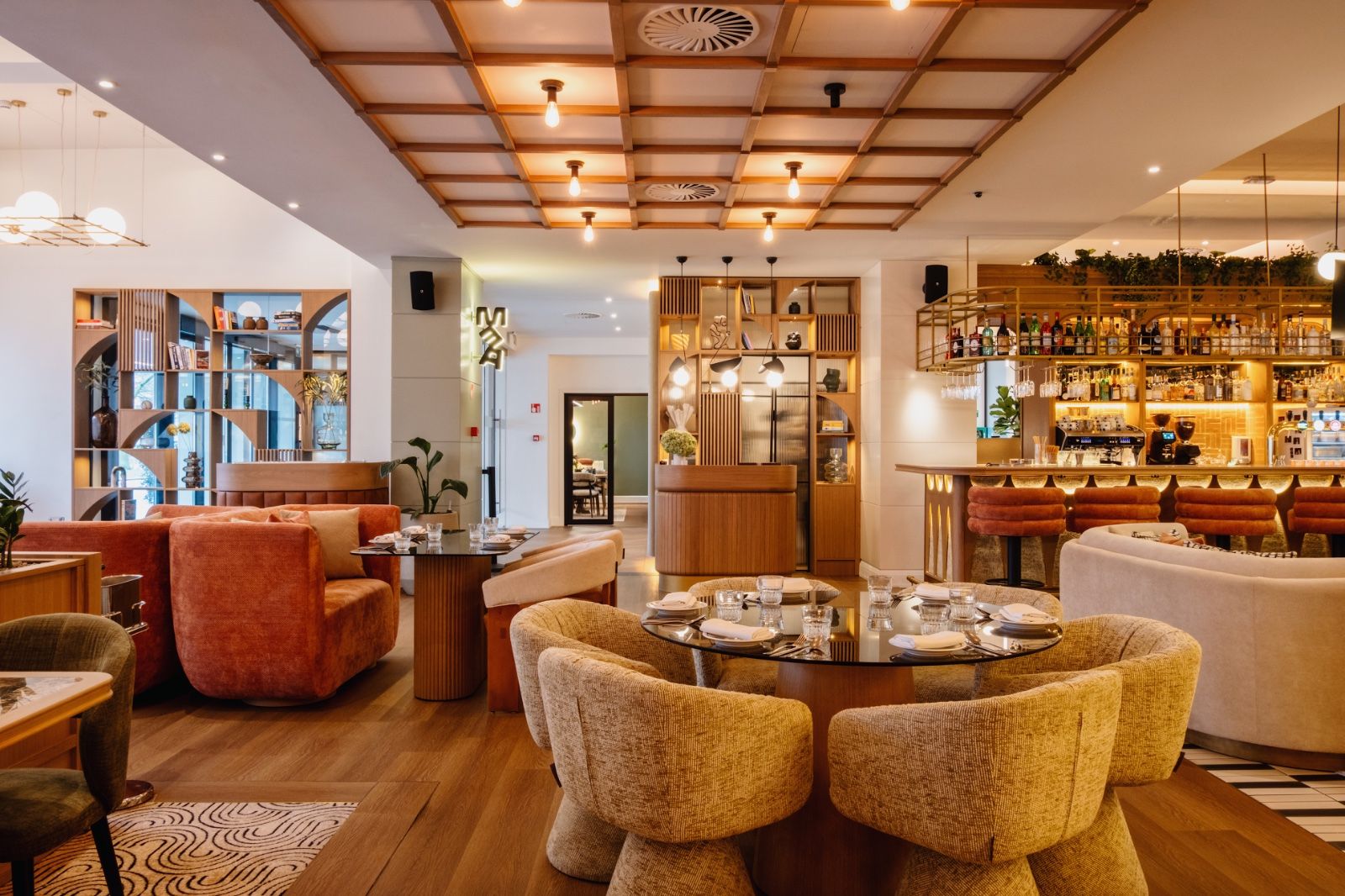
Comfort was equally important. The seating areas were designed to invite people to stay - whether that means having a casual meeting, working remotely, or simply spending time in the space. Details like ergonomic booth seating and integrated power outlets make it easy for guests and locals to use the space as a second living room and actually feel welcome to do so.
By designing with locals in mind from the beginning, the hotel naturally becomes more lively and authentic, which ultimately enhances the experience for travellers as well.
Were there any particular inspirations, materials, or local influences from Antwerp that shaped the design?
Yes, the neighborhood itself played a very important role in shaping the concept.
The hotel is located in Zurenborg, an area known for its beautiful Art Nouveau and Art Deco architecture. We drew inspiration from these influences but translated them into a more contemporary and playful design language rather than recreating them literally.
Another important element was working with the local creative community. Many of the artworks throughout the hotel were created by local Antwerp artists, who we commissioned specifically for the project. This allowed the hotel to reflect the city’s creative culture in a very authentic way.
In that sense, VIA Antwerp is not just inspired by the city - it actively incorporates the local creative scene into the space. And you can see this also in the way the hotel is operated; inviting collaborations with fashion and art events, local entrepreneurs, etc.
What are some of the biggest challenges when designing a hotel that is both visually striking and operationally practical?
One of the biggest challenges in hospitality design is balancing creativity with operational efficiency and budget.
Hotels are incredibly complex environments where the guest experience and the operational flow need to work seamlessly together. A beautiful design only truly succeeds if the space functions effortlessly for both guests and staff.
For me, the most critical stage of any hospitality project is layout planning. When the circulation, service routes, and spatial organization are resolved correctly, the rest of the design can naturally build on top of that foundation. Every building has its own set of challenges in that regard, but I believe these challenges are what make the process mature and grow into a unique experience.
Once that structure is right, you can focus on creating atmosphere, storytelling, and visual identity without compromising how the space actually works.
Do you attend the Independent Hotel Show, and what value do you see in events like this for designers working in hospitality?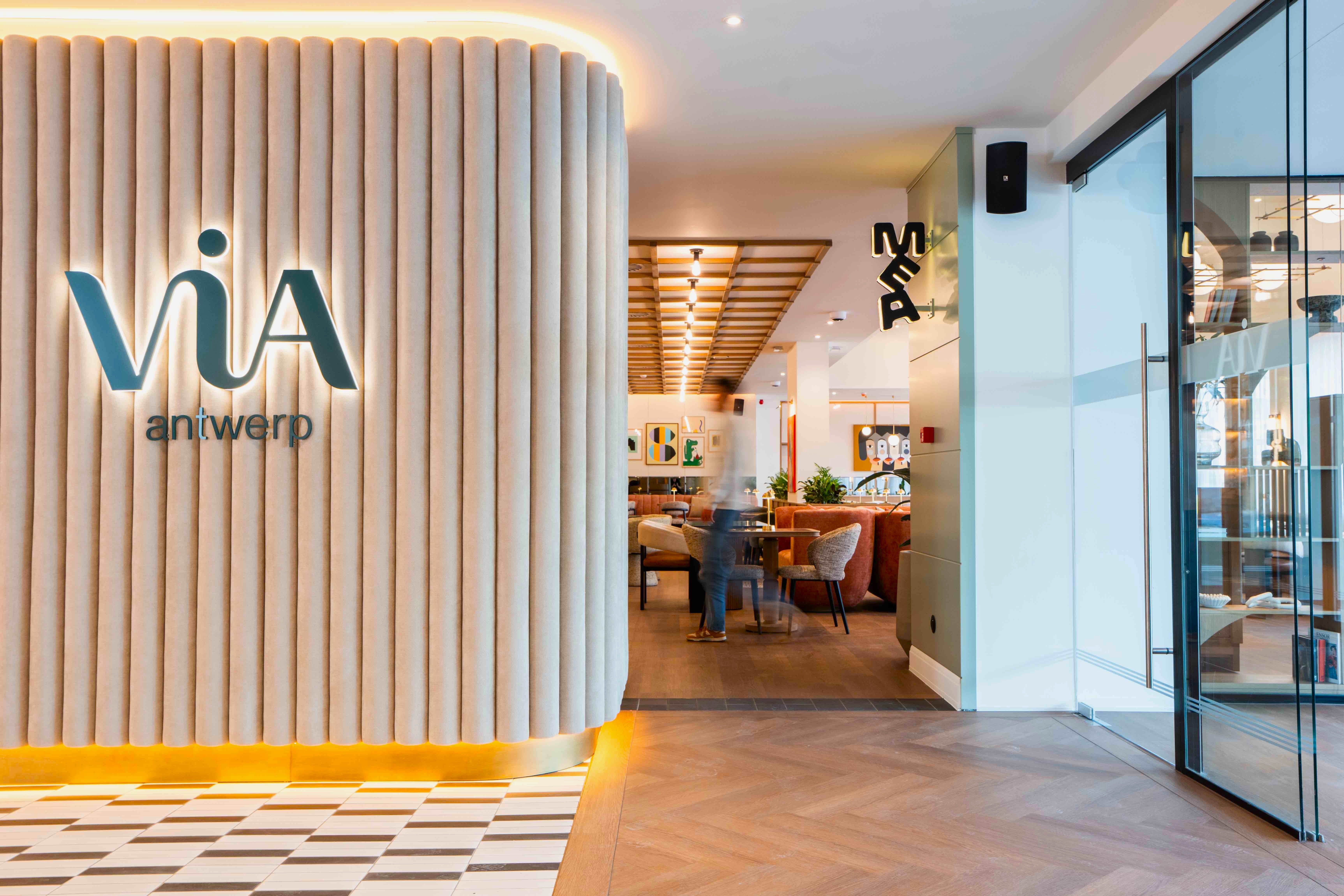
The Independent Hotel Show is actually one of my favorite industry events.
What makes it special is the level of curation. The talks are relevant and insightful, and the exhibitors are very focused on the hospitality sector. At many large fairs, only a small portion of the exhibition may be directly relevant to hotel design, but at the Independent Hotel Show everything feels applicable and relevant.
I often recommend it to my clients as well, especially those who are newer to the hospitality industry. It’s a great place to gain insights, discover new suppliers, and understand where the industry is heading.
For designers, it’s also an opportunity to step back from our daily work and engage with the wider hospitality community, which is essential in such a fast-evolving industry.
Don't miss any exclusive Independent Hotel Show Amsterdam, interviews, insights and event news by signing up for our newsletter here.
)
)
)
)
)
)
)
)

)
)
)
)
)
)
)
)
)
)
)
)
)
)
)
)
)
)
)
)
)