

Hotelier Edit: Arne Van Wambeke, Co-owner of Hotel Nonam
Can you tell us about your background in hospitality and what led you to create Hotel Nonam?
I have been active in the hospitality industry for around 25 years. In the past, I ran De Cassis and Café de Paris, both located on Vrijdagmarkt in Ghent. I still operate Herberg De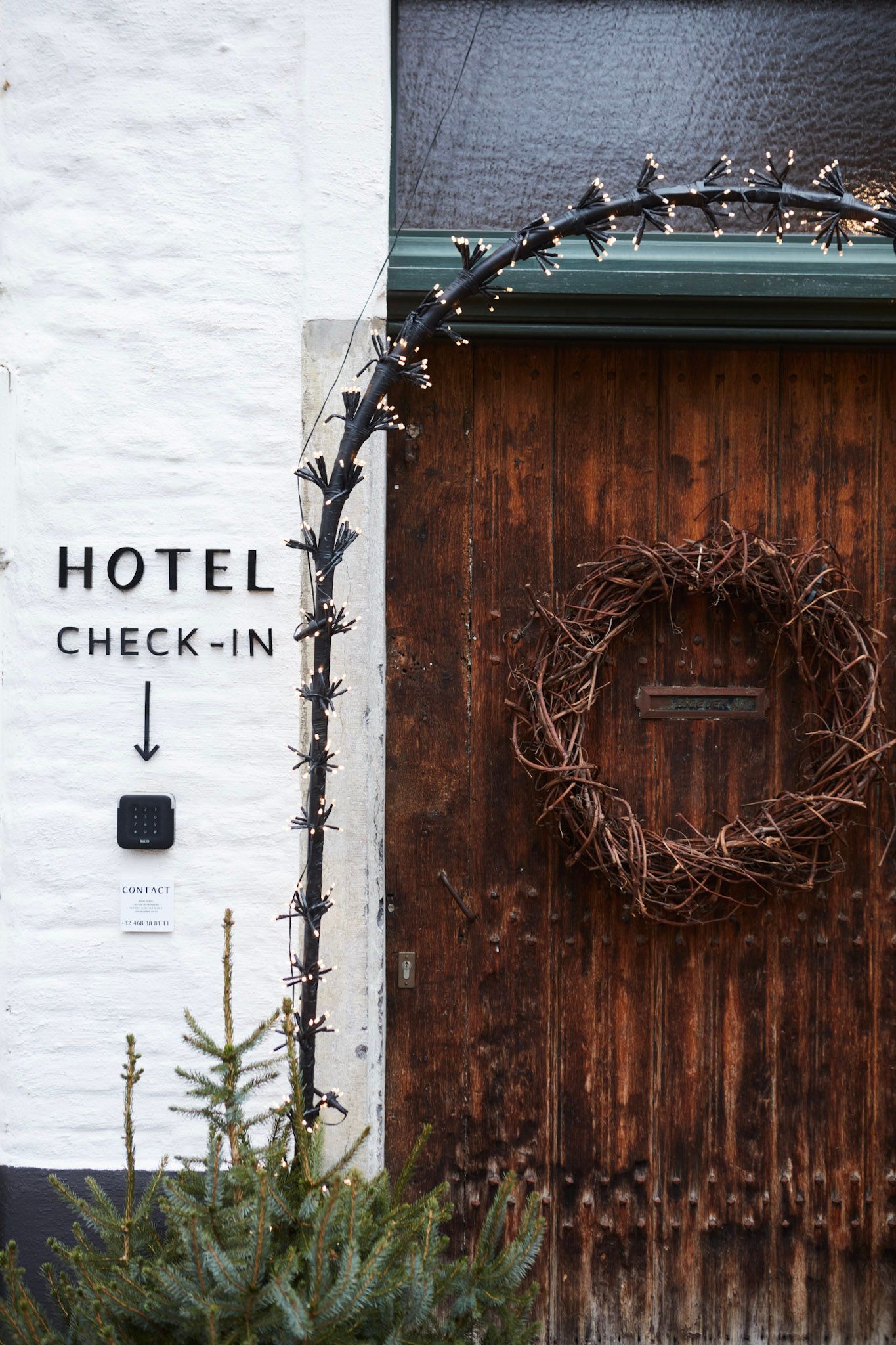 Rotse in Dikkelvenne. A few years ago, I felt ready for a new challenge and decided to open a hotel. I started looking for a suitable building and eventually found the property that is now home to Hotel Nonam. It was originally a family home, which we completely stripped back and transformed into a hotel, with a restaurant on the ground floor.
What is the story behind the name Nonam, and why did you choose to combine a hotel and a restaurant?
The name Nonam comes from my daughter Manon’s name, written backwards. It is a personal touch that makes the name meaningful to me. Combining a hotel and a restaurant felt like a natural choice. I wanted to create a place where guests could enjoy a complete experience: staying somewhere with character and enjoying good food in the same building.
The building dates back to 1739. Can you tell us about its history and how you have preserved its character?
The building has a fascinating history. It was originally a hotel and an inn where travellers could stop and rest. There was a meadow behind the building where they could stable their horses. Over the years, it also served as an inn, a house of ill repute, Café De Roos and, eventually, a family home. The façade is protected in terms of its outward appearance, and the historic staircase is a classified feature. We wanted to preserve the building’s character while giving it a contemporary identity. We have used materials such as Mortex, marble and wooden flooring to create a warm, elegant atmosphere. There is also a rose integrated into the floor in the entrance hall, as a subtle reference to the building’s former life as Café De Roos.
How would you describe the restaurant’s culinary identity, and who leads the kitchen?
The restaurant is led by Karel Van Oyen, who is also a co-owner. He previously worked for several years at Hertog Jan, a restaurant that held three Michelin stars. His experience and approach to cooking are an important part of the restaurant’s identity. We aim to offer guests a high-quality culinary experience in a setting that feels distinctive and welcoming.
The restaurant is featured in the MICHELIN Guide. How important is this recognition for Hotel Nonam?
Being included in the MICHELIN Guide is an important recognition of the restaurant’s quality and the work of the team. It also helps introduce us to new guests who might not otherwise discover Hotel Nonam. For us, the hotel and restaurant complement each other: guests can enjoy a memorable meal and stay overnight in the same place. 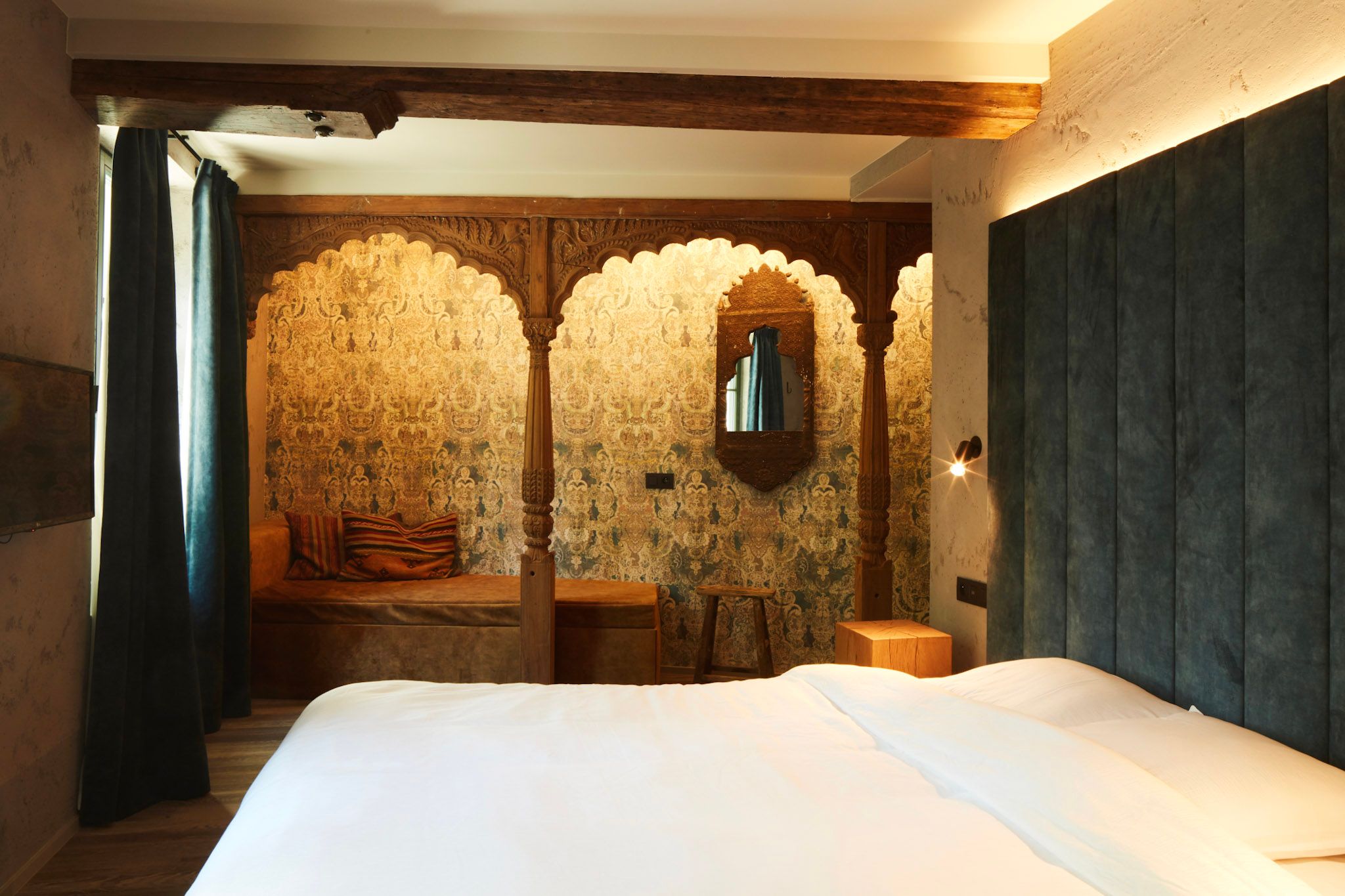
How do you create a consistent guest experience across the hotel and restaurant?
We want guests to feel welcome and well looked after from the moment they arrive. Check-in is organised through a digital platform. Guests also receive a WhatsApp message with a link to a digital information page containing everything they need to know about the hotel. We have a dedicated WhatsApp number that acts as a digital butler, allowing guests to ask questions or request assistance at any time. At certain times, someone is also available at reception, and the restaurant team can help guests when needed. The aim is to find the right balance between the convenience of digital services and genuine, personal hospitality.
What does wellness mean at Hotel Nonam, and how do you incorporate it into the guest experience?
For us, wellness is about creating an environment where guests can relax and feel comfortable. We pay attention to the details, from the choice of materials and the atmosphere in each room to the comfort of our boxspring beds. We also provide Marie-Stella-Maris products in the guest rooms. It is about making the stay feel effortless, comfortable and enjoyable.
The theme of Independent Hotel Show 2027 is “Human Hospitality”. What does this mean to you?
For me, human hospitality is about making guests feel welcome and making sure they can get help whenever they need it. Digital tools are useful because they give guests flexibility and allow them to find information quickly. But technology should never replace the personal touch. At Hotel Nonam, we try to combine the convenience of digital services with personal assistance whenever it is needed. The important thing is that guests feel looked after, whether they interact with us digitally or in person. 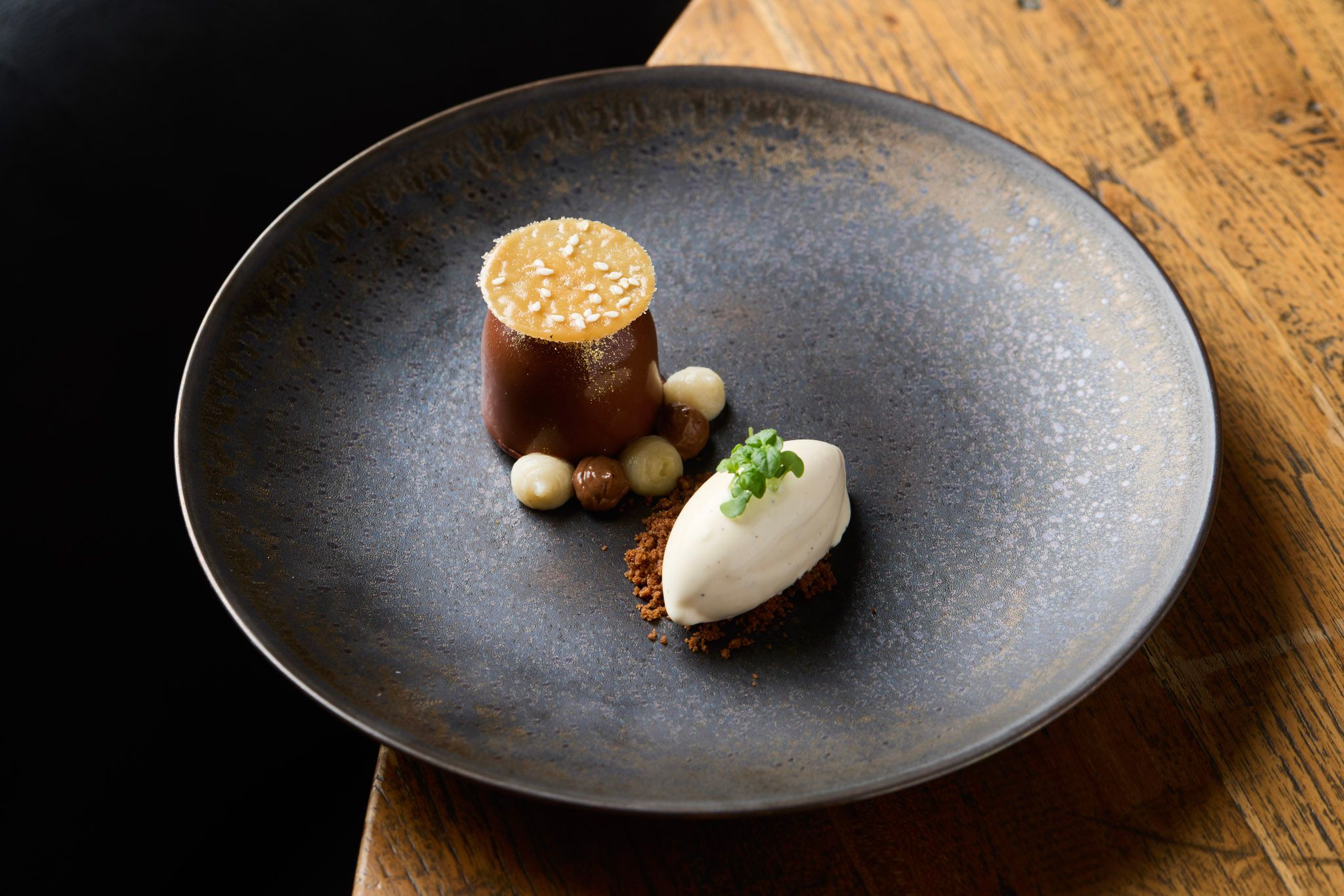
How do you attract new audiences, and what challenges do independent hotels face in Belgium?
Online visibility, guest reviews and word of mouth are all important in attracting new guests. We want people to discover Hotel Nonam not only as a place to stay, but also as a destination for a complete experience. Like many independent hotels, we face increasing operating costs and a competitive market. Changes in taxation, including the increase in VAT on hotel stays in Belgium, also put pressure on pricing and competitiveness. It is important to maintain quality while ensuring that the business remains sustainable. For an independent hotel, finding that balance is an ongoing challenge.
What are your plans for the future, and what would you like to preserve about Hotel Nonam?
Hotel Nonam has ten rooms across four different room types. Each room has its own style and character; no two rooms are the same. In the future, I want to continue developing the hotel while preserving what makes it special: the historic building, its distinctive interior, the personal atmosphere and the quality of the guest experience. We will continue to improve our services and make good use of digital tools, but the essence will remain the same: offering guests a memorable stay in a place with its own identity and history.
Photo credit: @heikkiverdurme
Don't miss any exclusive Independent Hotel Show Amsterdam, interviews, insights and event news by signing up for our newsletter here.



)


)
)
)
)

)
)
)
)


)
