

Hotelier Edit: Damien Brunin, General Manager, 1898 The Post
Can you tell us a little about your background and what led you to 1898 The Post?
I was born in Ghent, so managing a hotel in one of the city’s most recognisable buildings feels particularly special. I joined 1898 The Post as General Manager in January 2023, and what I love about it is the combination of character, ambition and a very personal approach to hospitality.
For me, the appeal goes far beyond the beautiful setting. It is the opportunity to work with a dedicated team and owners who care deeply about the property, and to keep making the experience better. I have high expectations, but they come from a simple place: I want our guests to feel that we have genuinely thought about them. 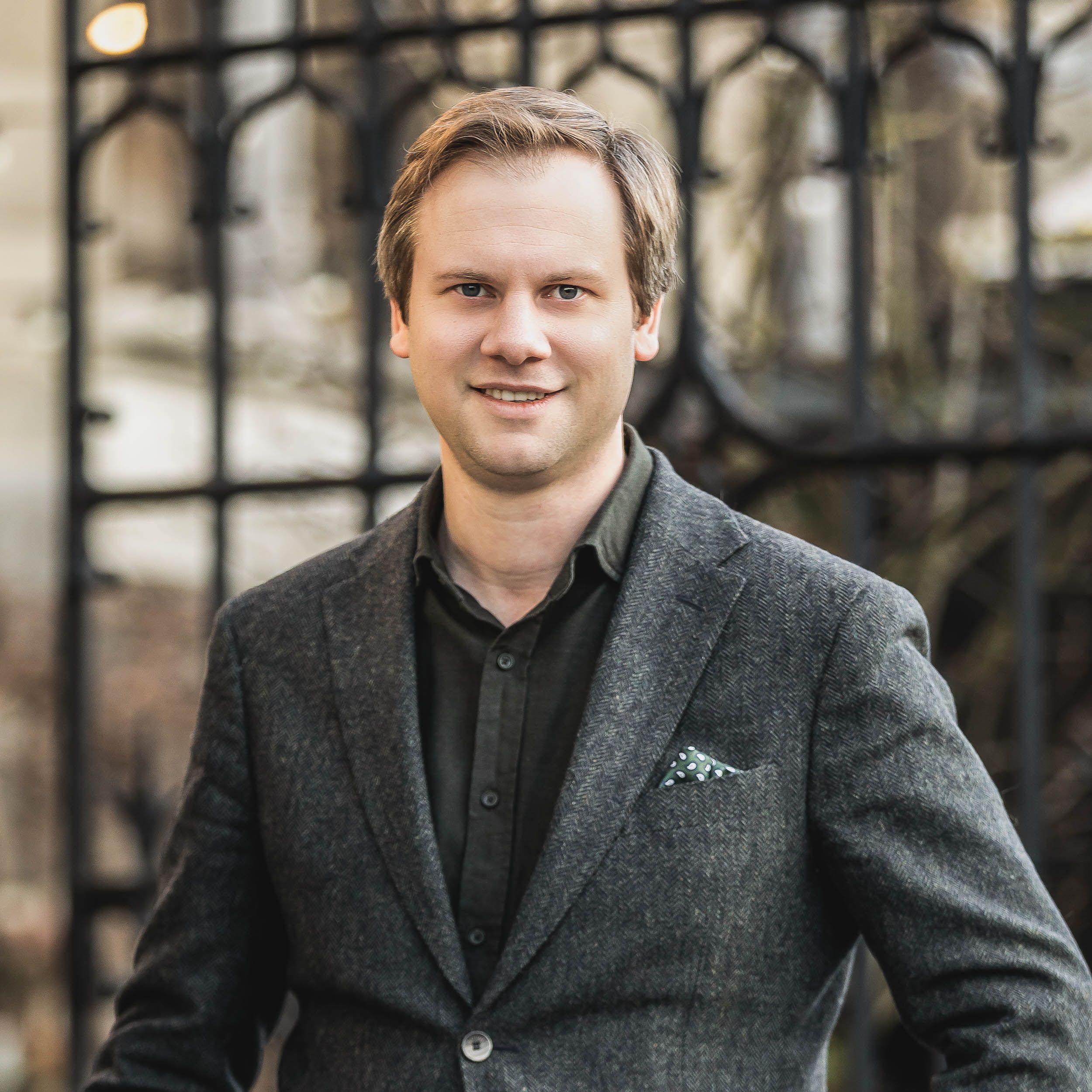
Transforming a former post office into a hotel comes with a ready made story. How do you make that history part of the guest experience beyond the architecture and interiors?
A post office has always been a place of connection, which gives us a lovely starting point for hospitality. People once came here to send news, share something personal or stay in touch across distances. Today, we welcome people arriving from all over the world.
The postal references in our room names offer a natural way into that story. But the most meaningful part is the conversation around them. I want guests to feel comfortable asking questions and discovering the building at their own pace. History becomes much more engaging when someone shares it warmly, rather than simply pointing to a description.
The hotel has a distinctive atmosphere. Which design detail best captures its personality, and why?
I would choose the deep green walls and the way they respond to the light. They give the rooms a wonderfully intimate feeling, while the windows keep you connected to the city outside.
That balance captures the personality of The Post for me. There is a sense of grandeur, but also warmth and comfort. You can appreciate the details and still feel completely at ease putting your feet up with a book. That is something I value enormously in a hotel: beautiful spaces that invite people to actually enjoy them.
What are the biggest practical challenges of running a modern luxury hotel within a historic building? 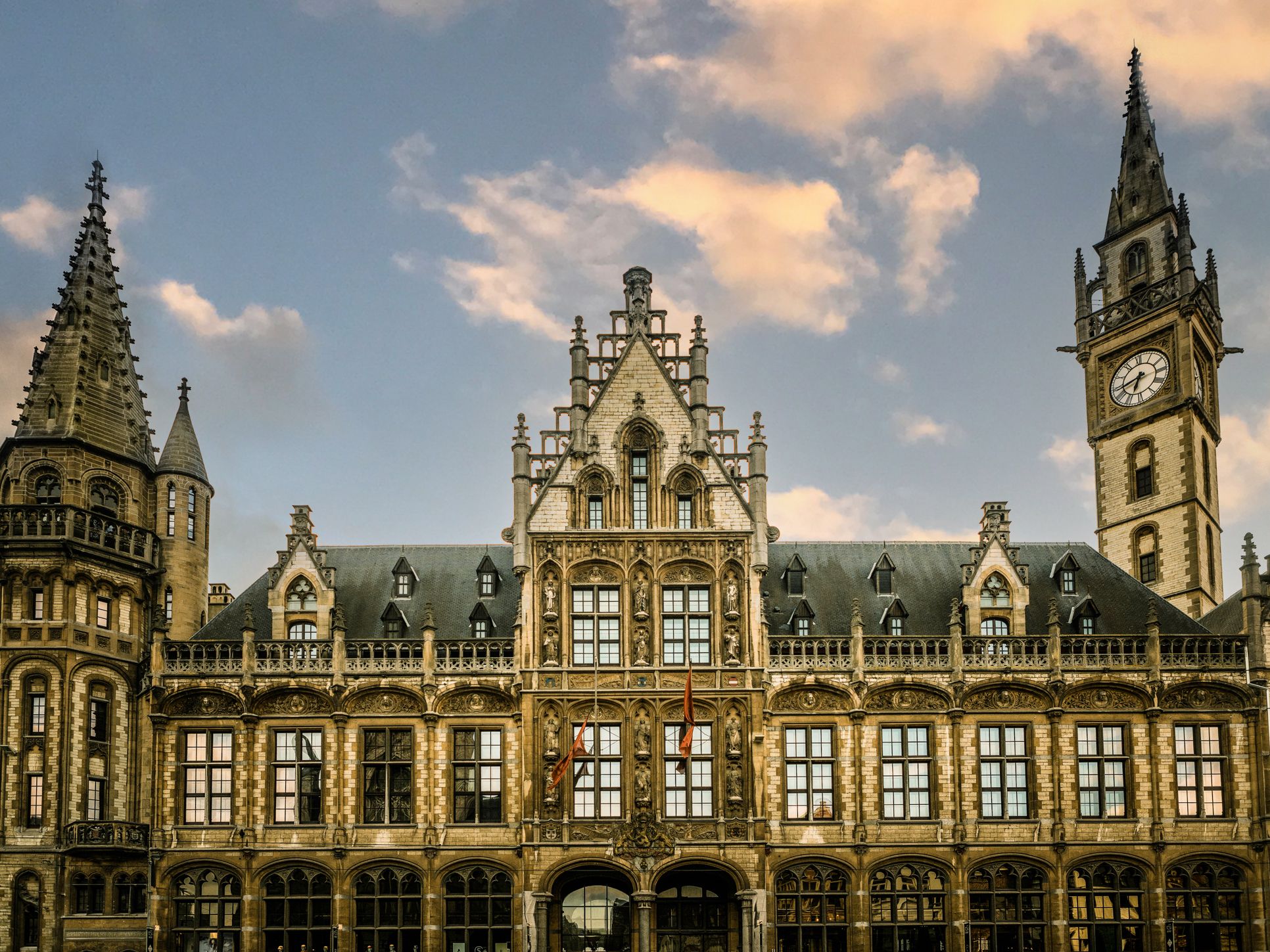
The challenge is delivering the comfort guests expect today while respecting a building that was created for a very different purpose. Temperature control, sound, accessibility, maintenance and the movement of linen or luggage all require careful thought.
The individual layouts also mean that knowing our rooms well is essential. We need to understand what will suit each guest and communicate clearly, particularly when stairs or different levels are involved.
A historic building asks a great deal of the team behind the scenes. Our responsibility is to anticipate those challenges and make the stay feel as comfortable and straightforward as possible.
With 42 rooms, how do you use the scale of the hotel to offer a more personal stay?
Our scale gives us the opportunity to notice people, but being small does not automatically make a hotel personal. That comes from paying attention and communicating well as a team.
It might mean understanding why someone is visiting, remembering a preference or following up on something they mentioned earlier. Those details only work when they feel natural.
It is also about knowing when to give someone space. Some guests enjoy conversation and recommendations; others are looking for privacy and quiet. Personal service means recognising the difference. I want guests to feel understood, without having to explain themselves repeatedly. 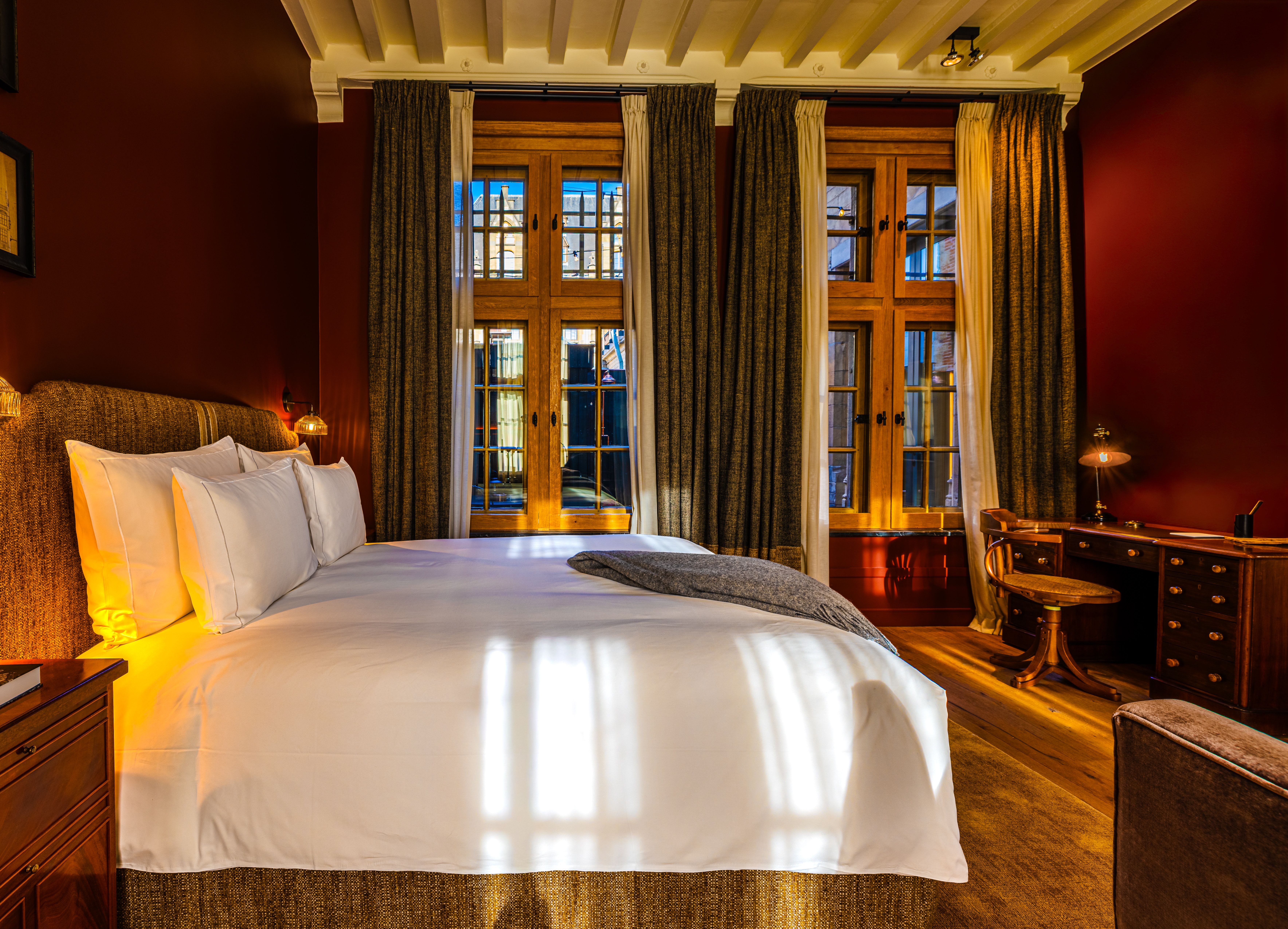
The Cobbler has its own identity as a cocktail bar. How do you build a destination for local people while keeping it connected to the hotel experience?
The Cobbler should be somewhere people from Ghent choose to spend an evening because they love the drinks, the atmosphere and the welcome. Local guests give the bar its own energy and help keep the hotel connected to the city.
For our hotel guests, that creates something lovely: they can enjoy an evening that feels part of Ghent, with the comfort of being close to their room.
The connection is in the care we bring to both experiences. A beautifully prepared cocktail deserves an equally thoughtful welcome. Whether someone is staying for three nights or joining us for one drink, we want them to feel that they belong.
What do you want guests to discover about Ghent, and how does your team help them experience the city beyond the best known sights?
I would love guests to discover how much life there is within Ghent’s historic setting. It is a city where people live, study, create and enjoy themselves, and that everyday energy is a large part of its charm. 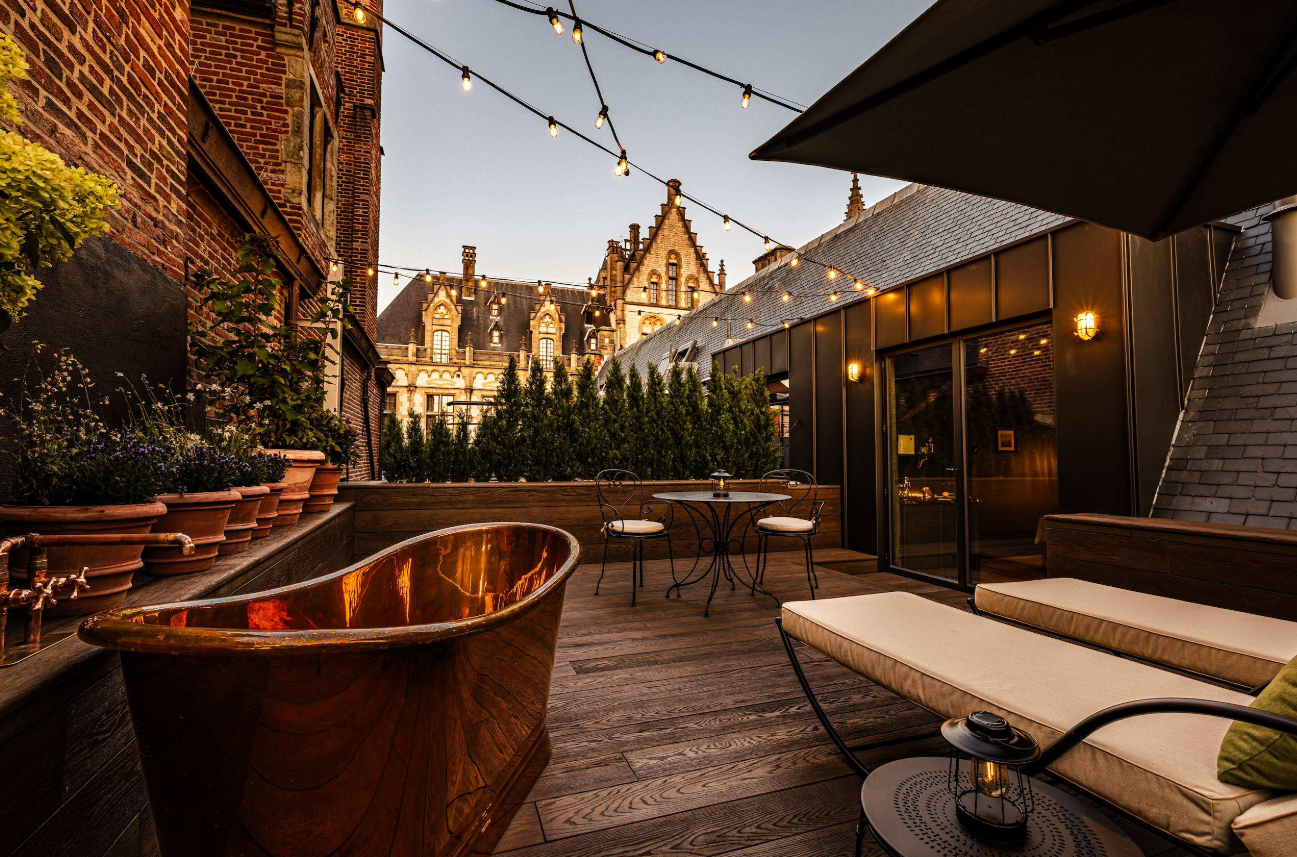
The best recommendations begin with a conversation. Someone interested in food will experience Ghent differently from someone who loves design, art or simply wandering through quieter streets.
I encourage the team to share personal favourites and explain why they enjoy them. Sometimes one thoughtful suggestion is worth more than a long list. And I always think it is worth leaving some time unplanned. Ghent rewards curiosity.
Wellness can be part of a city break through sleep, comfort and time to switch off. How do you approach this at The Post, and are there wellness products or partnerships you would like to explore?
For me, wellbeing begins with the essentials: a comfortable bed, a carefully prepared room, a relaxed breakfast and the feeling that someone is taking care of things. A city break should leave room to slow down.
Porter’s House adds another dimension through private outdoor spaces and wellness features in selected suites. That sense of privacy fits very naturally with our approach.
Looking ahead, I would be interested in thoughtful partnerships around sleep, relaxation and personal wellbeing. The priority would be quality and a clear benefit for our guests. Anything we introduce should feel like a natural part of the stay and be delivered with the same care as everything else.
Independent Hotel Show’s 2027 theme is Human Hospitality, with a focus on people, place and meaningful experiences. How do your team bring the story of The Post and its connection to Ghent to life in a way guests remember? 
For me, Human Hospitality begins with giving the team the confidence and support to be thoughtful hosts. Standards matter enormously, but people also need room to listen, use their judgement and let their personality come through.
A guest may arrive tired, be celebrating something important or feel uncertain in an unfamiliar city. Recognising that and responding with care is what makes an experience personal.
Every department contributes, including colleagues guests may never meet. I am very proud of that collective effort. The building creates a powerful first impression; the team gives guests a personal reason to remember it and return.
Looking ahead, what is the next chapter for 1898 The Post, and what are you most excited to work on?
With Porter’s House, we have opened a new chapter that allows guests to experience our hospitality in an even more intimate setting. I am excited to build on that, while continuing to refine the experience at The Post.
We are also developing the relationship between food and cocktails at The Cobbler, which offers wonderful opportunities for creativity and collaboration within the team.
Our wider ambition is to create an increasingly complete experience around staying, dining and unwinding. As we develop, protecting the personal attention that makes this place special will remain essential. What excites me most is seeing the team grow alongside the hotel and turn that ambition into something guests can feel.
Don't miss any exclusive Independent Hotel Show Amsterdam, interviews, insights and event news by signing up for our newsletter here.



)


)
)
)
)

)
)
)
)

)