)

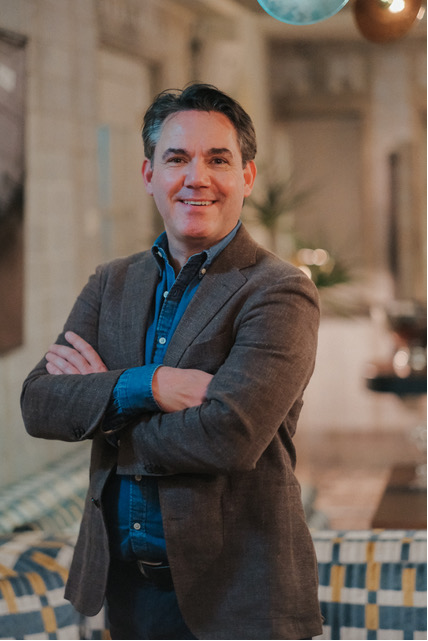
The Hotelier Edit: John Nieuwland, General Manager, The Hoxton
 What’s unique about the rooms here, and when and how was the refurbishment completed?
What makes the rooms here special is that they’re not uniform – each one has its own character. We have three large roof studios of around 50m² with great views over the city, a room with a piano, and even a tower room that was created from a space that originally wasn’t designed as a guest room at all. That’s very typical for a building like this; it has a lot of personality, and we’ve tried to lean into that rather than standardize everything.
The full refurbishment was completed around two to two-and-a-half years ago. It was a complete renovation of the property, which meant the hotel was fully closed for about a year. At the time the hotel had 116 rooms. During the renovation we also looked at how we could use the space more intelligently. An internal open area was created and later enclosed, which allowed us to convert that space into additional rooms while still keeping the architectural character of the building.
What permits were required, and what challenges come with operating a monument building in Amsterdam?
The hotel permit itself already existed, so renewing it was relatively straightforward. The real complexity comes when you want to make changes to the property. Because the building is a listed monument, almost everything requires careful coordination with the municipality.
A good example is the terrace. It’s quite large, close to 200 seats, but it sits on municipality land. That means we need specific permits to operate it and there are strict limitations. For instance, we cannot simply add an outdoor bar or organize barbecues without additional approval.
The municipality also regularly checks monument buildings and can issue reports if they feel maintenance standards are not being met. It can be demanding operationally, but at the same time it ensures that buildings like this are preserved properly. In a city like Amsterdam that’s very important.
After a major refurbishment, how often would you expect to renovate again, and how do you avoid feeling dated?
Typically you would expect a major refurbishment cycle of around ten years, with smaller updates happening in between. The key is not to chase trends too much. At Hoxton we try to focus on a concept-led design that feels timeless rather than something that is fashionable for a short period.
That’s why you see a lot of vintage influences in the design, particularly from the 50s and 60s. Those styles tend to age well and feel authentic to the building. When hotels follow very trend-driven concepts, they often feel dated quite quickly.
What drew you to hospitality, and how has that shaped your leadership style?
For me it was always the diversity of the industry. Hospitality touches so many different areas – people, operations, creativity, finance – and every day is different.
What has become even clearer over time is how important the human element is. As industry becomes more digitalized, the difference between hotels is increasingly made by people. Having the right people in the right roles and building trust within the team is essential.
From a leadership perspective that means creating an environment where people feel empowered. Mistakes will happen, and that’s part of learning. The goal is to develop strong individuals who trust each other and work together as a team.
How does Hoxton maintain its culture across properties, and what has your career path been? 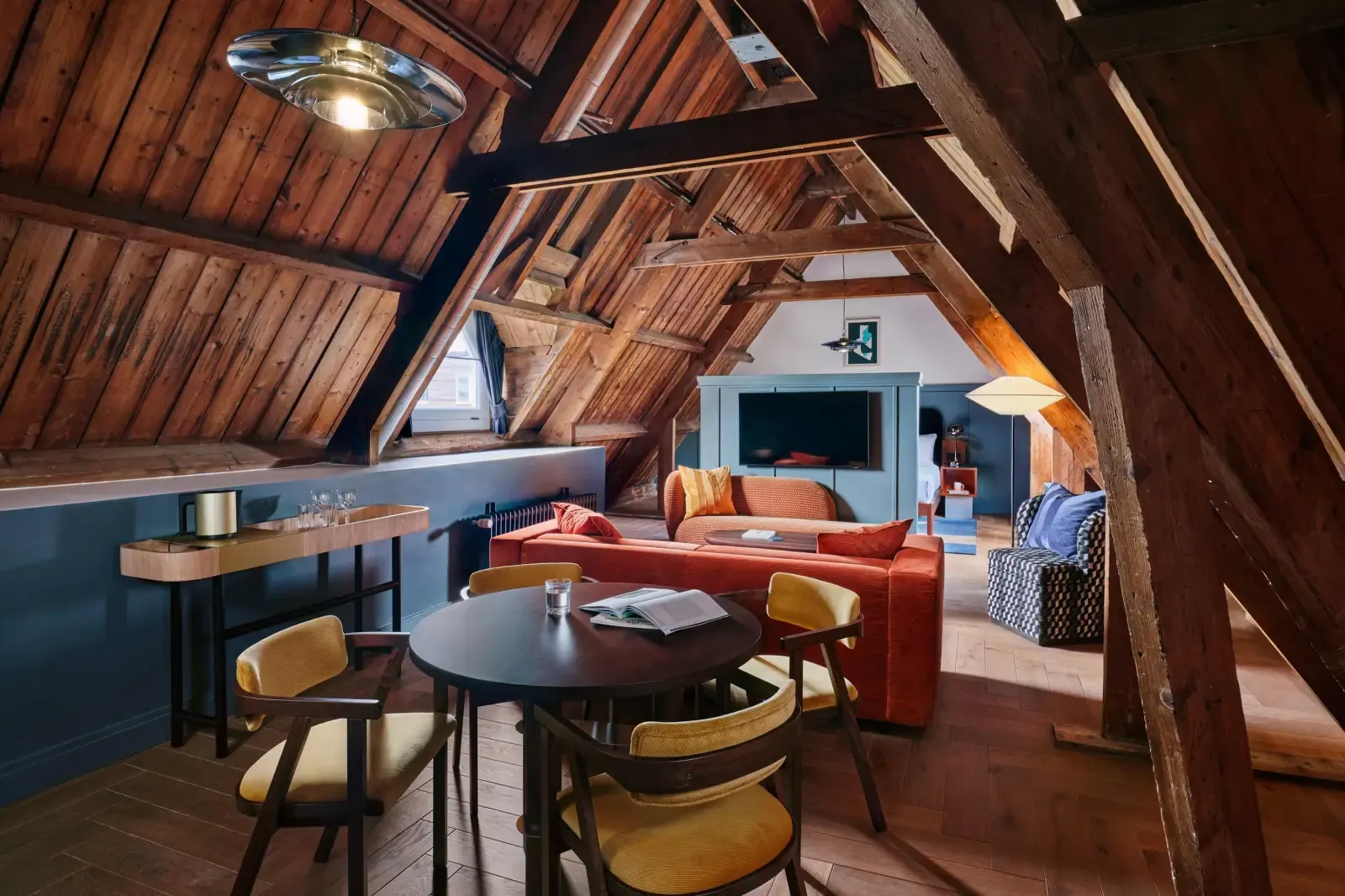
Culture at Hoxton is something that is really experienced rather than taught through manuals or training materials. When new hotels open, colleagues from existing Hoxton properties often move or temporarily relocate to support the opening. That’s how the culture naturally transfers.
My own career started at Hotel School The Hague, followed by Hilton Amsterdam Airport Schiphol. After that I spent several years working internationally, including in Egypt, Sudan and Turkey. I also spent time outside hotels in restaurants and corporate catering. Eventually I returned to hotels because I realized I enjoy the pace, the variety and the 24/7 energy that comes with it.
How has the VAT change impacted performance, and are you seeing demand shifts within Amsterdam?
Pricing decisions are always made per property and depend on the market conditions at that moment. At this stage it’s still a bit early to isolate the exact impact of the VAT changes because there are many other factors influencing performance.
For example, in January we saw slightly lower ADR but roughly 20% higher volume. Events, congresses and general city demand all play a role in that. There may be some pressure on hotels in the very centre of Amsterdam, which could potentially benefit hotels a bit further out like ours in Amsterdam East. Overall, however, the market remains strong.
How does the hotel connect with the local community and bring that to life operationally?
Being part of the neighbourhood is very important for us. We don’t want to feel like a standalone hotel that only caters to visitors.
We work with local artists and h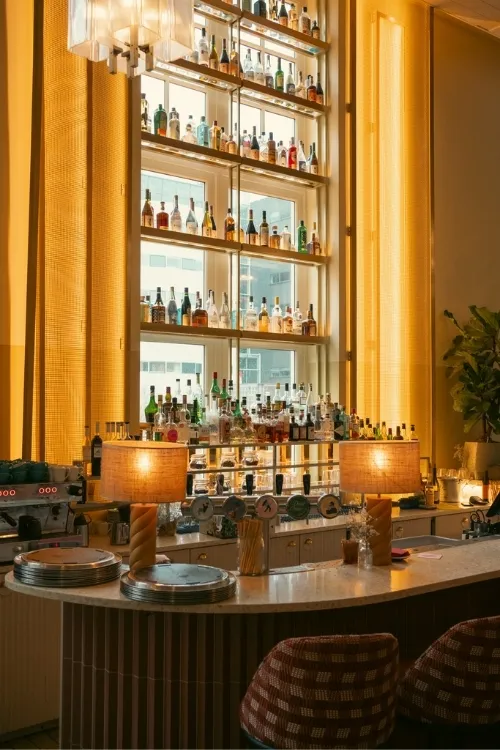 ost a rotating photo gallery, collaborate with local suppliers, and when we launch a new menu, we often invite neighbors to tastings. We also organize activities such as running clubs, quarterly yoga sessions, book readings and vinyl DJ evenings. There are even moments when we work with the nearby school.
All of this helps create a place where locals feel comfortable coming in for a coffee, a meeting or dinner
What’s most exciting in the coming months?
The focus is continuing to bring energy back into the building after the renovation and repositioning. The goal is to make the hotel a vibrant place again for both guests and the local community in Amsterdam East.
That means bringing people back for meetings, dinners, events and cultural programming, and making sure the hotel is known again as a lively place in the neighborhood.
Why attend the Independent Hotel Show, and why this year?
Even though we are part of a larger group, we still have flexibility when it comes to selecting suppliers. The Independent Hotel Show is interesting because it focuses on relationships and relevant suppliers rather than large-scale commercial selling.
It’s a good opportunity to meet smaller companies, discover new ideas and strengthen connections within the industry. That collaborative aspect is really where the value of the show lies.
Don't miss any exclusive Independent Hotel Show Amsterdam, interviews, insights and event news by signing up for our newsletter here.
)
)
)
)
)
)
)
)

)
)
)
)
)
)
)
)
)
)
)
)
)
)
)
)
)
)
)
)
)