

Hotelier Edit: Nancy Habets, Hotel Manager
At The Usual Brussels, sustainability is part of the everyday conversation, from explaining housekeeping choices to finding colleagues who share the hotel’s values. We spoke with the hotel’s General Manager about a career spanning Spanish resorts and cruise ships, building a close team and creating a hotel that feels as welcoming to local residents as it does to overnight guests.
Can you tell us a little about your journey in hospitality and what led you to your role today?
I am Dutch and studied hospitality in Breda. The course covered different parts of the industry, including travel, but I knew I wanted to work in hotels. I also wanted to learn Spanish,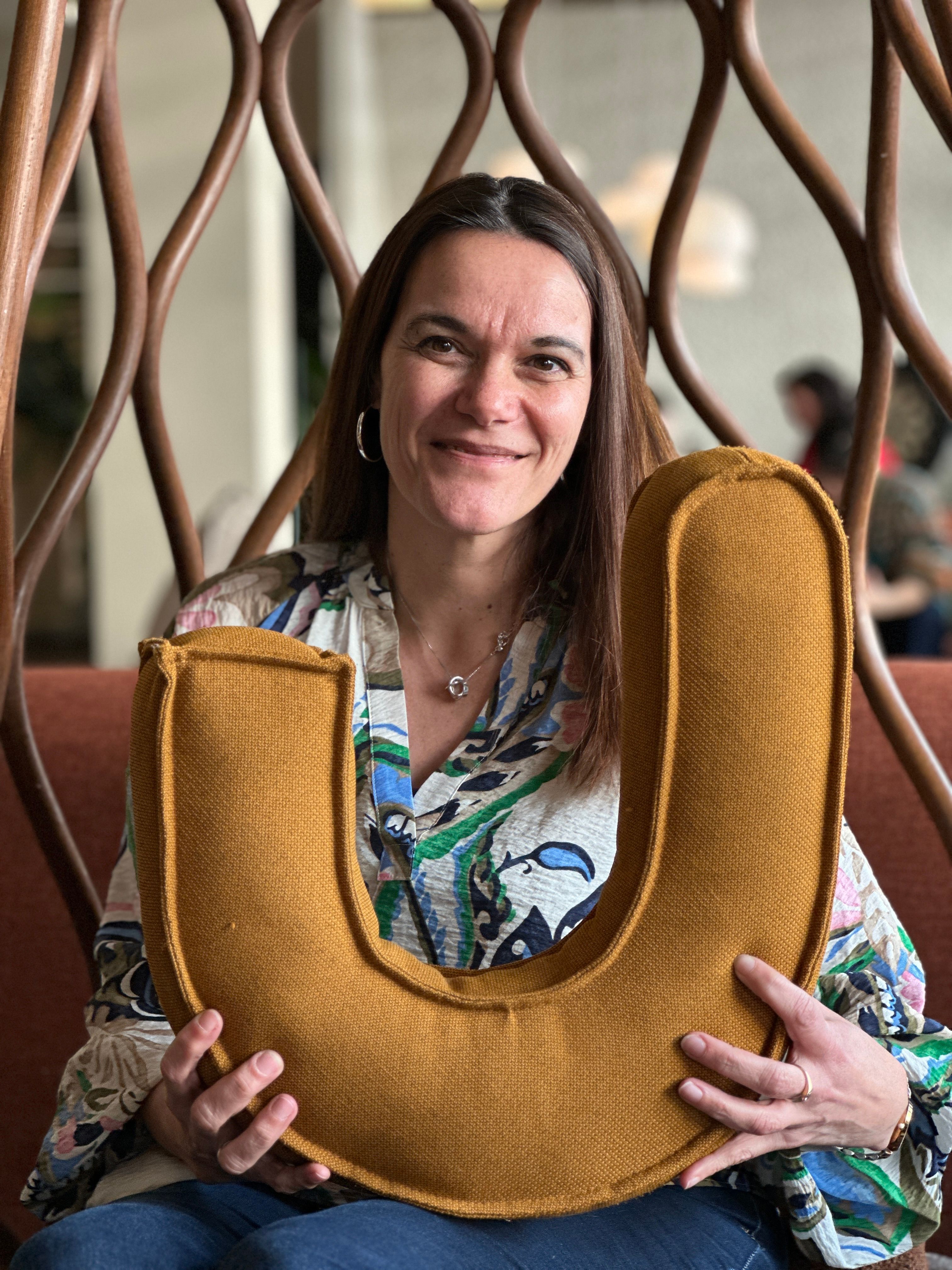 so I applied to RIU Hotels in Spain, a group I had visited with my parents as a child. I mentioned that connection in my application, and I got the job.
I spent three years in the entertainment team in the Canary Islands. It was a wonderful way to learn about guests, service and how the different departments work together. I then moved into reception at a hotel in mainland Spain, in Andalucía, and stayed in Spain for another three years.
After that, I spent eight years working on cruise ships. I started as a programme director, looking after excursions and guests when they were ashore, before becoming a hotel director. Once I moved into that role, I knew it was what I wanted to do.
What did your time on cruise ships teach you about leading a hotel?
One of the biggest lessons was to listen before responding, whether you are speaking to a guest or a colleague. Working on a ship is an intense experience because you live and work together. You eat together and spend so much time with the same people, so understanding each other is very important. It also creates strong relationships. I am still in touch with many people I worked with on the ships.
You also learn to find solutions yourself. When you are in the middle of the ocean, you have to work with what you have. That experience has stayed with me.
Sustainability is central to The Usual’s concept. Are guests actively choosing the hotel for that reason?
Increasingly, yes. When we started, that was our hope, but people needed to get to know us first. We were a new name, so it took time to communicate the concept and establish ourselves.
Now we see more reviews where guests specifically mention the thinking behind the design and the sustainable choices we make. They also talk about the team, which is lovely. It is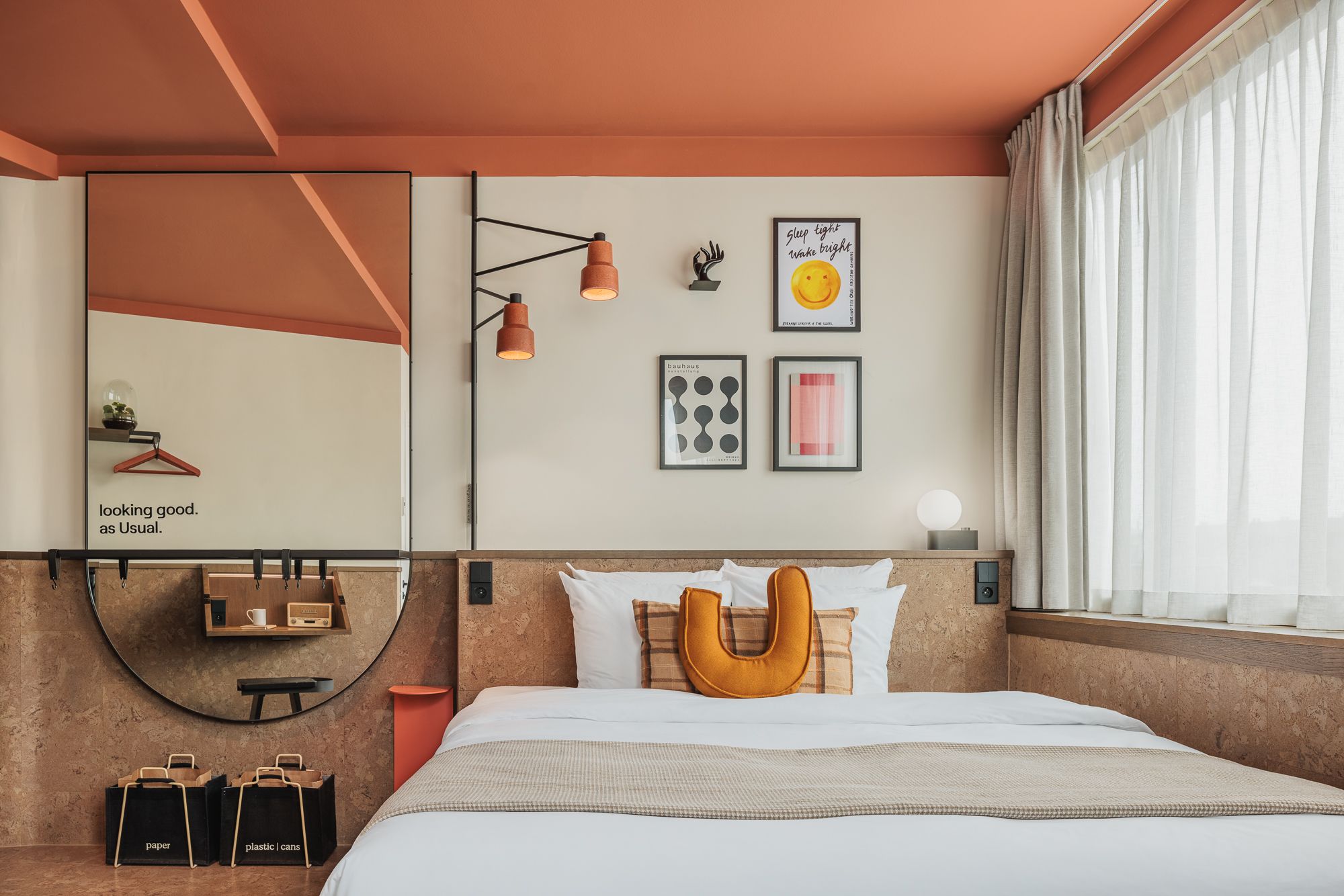 encouraging to see people recognise both the concept and the hospitality behind it.
How do you help guests understand choices that might differ from a traditional hotel stay?
Explaining why we do something is very important. For example, we do not automatically clean every room every day. As a four star hotel, that can be different from what some guests expect, so we need to explain the reasoning.
There is a cost saving, of course, but that is not what we focus on. The idea is to avoid unnecessary washing and cleaning. Guests can choose our green option, where we tidy the room without changing the linen, or request a full clean.
We explain this on the website, but people do not always read everything before they arrive. That makes the team’s role especially important. When colleagues understand the concept and can explain it clearly, it makes more sense to guests too.
What do you look for when recruiting people to join the team?
I look for some connection with sustainability. It does not have to be anything complicated. Someone might tell me they separate their waste at home or buy second hand clothes. What matters is that the interest is there.
I also like to see that someone has looked us up and understands what we are trying to do. We are a relatively small hotel, so finding people who share our thinking makes a difference. We want colleagues who are interested in this particular hotel and its approach.
The hotel has no traditional reception desk. How do you keep the welcome personal?
We have a check in kiosk, but the team is always there to help. Everyone works across different areas, so the person making your coffee can also help you check in. People have different strengths, but everyone can support the guest.
The open layout helps because we can see what is happening. Sometimes the team hears the wheels of a suitcase before they see the person arriving and is already on the way to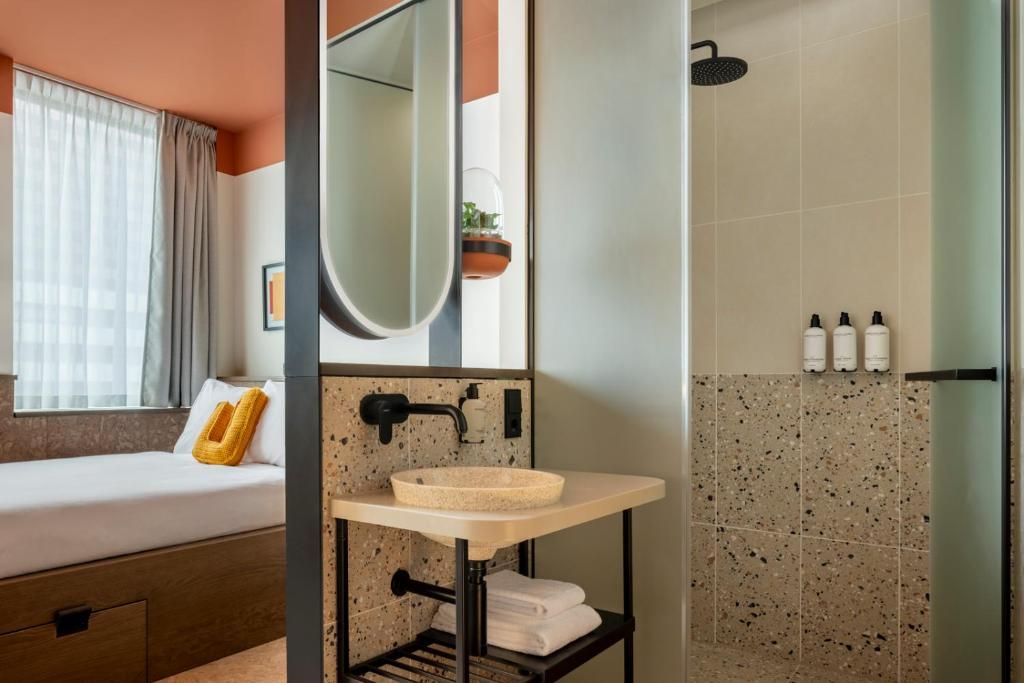 welcome them. Guests appreciate having someone available, even when they are using the kiosk.
How would you describe the hotel’s design and atmosphere?
We worked with a German design company. The hotel in Rotterdam has a similar look, although it is much larger, with event rooms and more public space. Here in Brussels, the atmosphere feels closer to a boutique hotel, even though we have 72 rooms across eight floors.
We have also chosen a casual look for the team, with sweatshirts and T shirts rather than formal uniforms. Everyone wears the same, and colleagues can wear their own clothes alongside them, within a few guidelines. We want people to be themselves.
How are you building a connection with the local community?
In the summer, we held an open terrace event with a DJ, drinks and food. We invited people from the neighbourhood and then decided to invite hotel guests to join them too.
One guest from that day has since become a regular. He remembered being given a token for a beer on the terrace and told us how welcome it had made him feel. It was a small gesture, but it stayed with him. That has encouraged us to keep finding opportunities to bring people together.
What role does the U-Bar play in bringing people into the hotel?
We want it to feel cosy and welcoming throughout the day. Coffee is working particularly well, and breakfast also attracts people who are not staying with us. We have a small food menu, including focaccia, pizza and platters.
We created a separate Google listing for the U-Bar so people can discover it as somewhere to have a coffee or something to eat. Sometimes they come in for the bar and then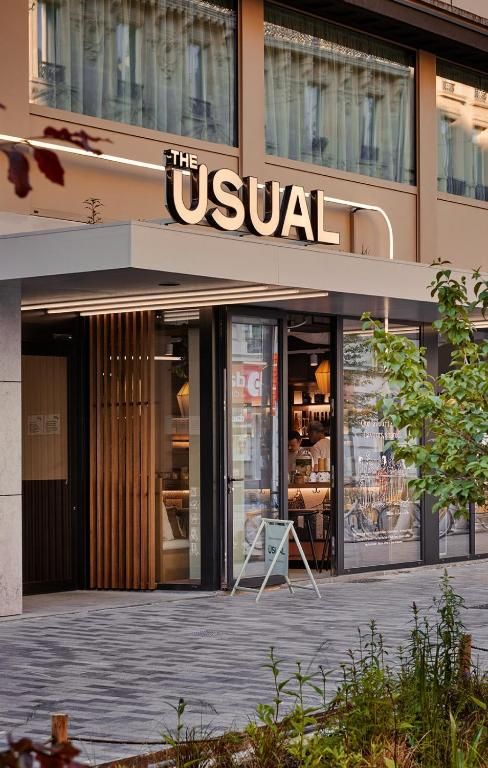 realise it is also a hotel. That has been a useful way to introduce people to us.
We are still finding the right balance between local customers and hotel guests. I understand that visitors want to go out and explore Brussels, so it might be about welcoming them for a drink before dinner or when they return after a day in the city. We are always learning and trying things.
How does being a smaller hotel help you respond to individual guests?
It gives us flexibility to make decisions on the spot. Breakfast is a good example. If a group has an early departure, we can open half an hour earlier so everyone has time to eat before leaving.
We also offer a breakfast bag with a pastry, fruit, yoghurt and a barista coffee, which can be brought to the room. It is useful for people who are in a hurry or heading out on a tour. Having those options helps us respond to what guests actually need.
How are you encouraging more guests to book directly?
Online travel agencies still account for the largest share of bookings, but direct bookings are growing and we are actively encouraging them.
When we recognise a guest who has stayed several times and continues to book through an online travel agency, we may speak to them during their stay or follow up by email. We work with our sales team on that, sharing information so they can reach out.
Being a smaller hotel helps because we get to know our guests and recognise returning faces. That makes it easier to start a personal conversation.
There is a strong sense of closeness within the team. How do you make time for that?
Once a year, we organise something for the whole team. Our colleagues from the other hotel cover the operation, including the night shift, so everyone can take part. That is important because it can be much harder for night colleagues to join team activities.
For our most recent outing, we went to karaoke and then had dinner at a fish restaurant. During the year, we also create smaller opportunities to spend time together. After a demanding training session, for example, I make sure there is some nice food or a chance to have a drink together.
We have a very multicultural team. Many of us are living away from our families, and that helps us understand how someone else might be feeling. It creates a sense of support.
How do you encourage colleagues to build confidence and take responsibility?
I let people try things and make mistakes, as long as I am there to support them and explain when something needs to be done differently. Sometimes I can see in advance that something may not go exactly to plan, but there is value in allowing someone to learn.
I am also very fortunate that around 70 to 80 per cent of the team has been here since the hotel opened. Having that continuity is something I really value. 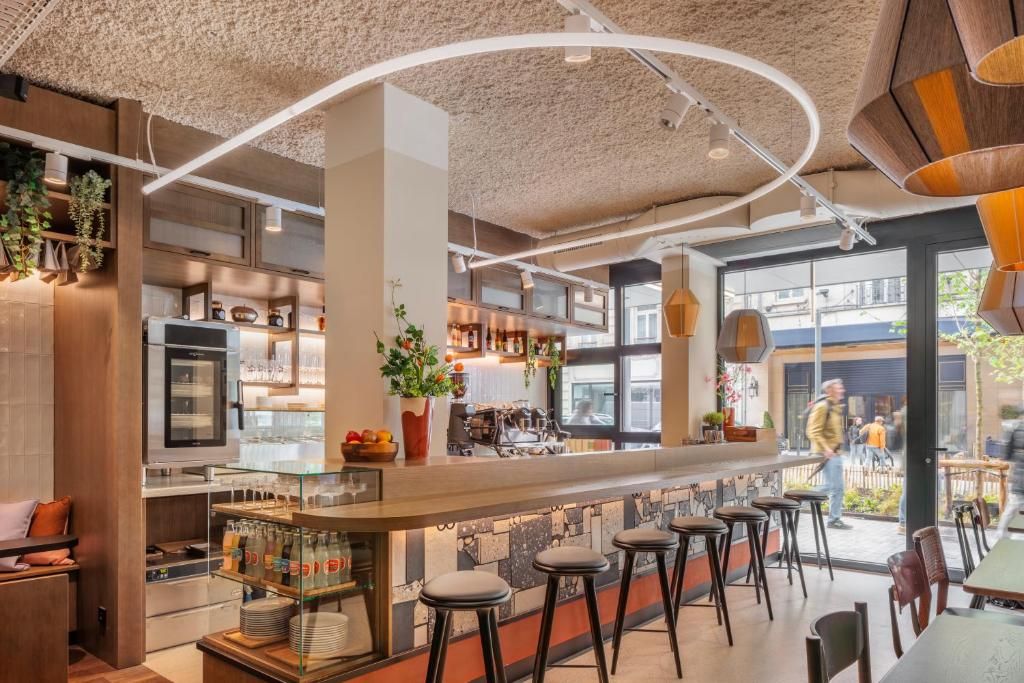
How do you make sure your suppliers continue to reflect the hotel’s sustainability commitments?
We review our suppliers annually, which is also part of the requirements connected with our certifications. It means we keep checking their credentials rather than only looking at them when we first start working together.
That thinking extends to everyday choices, including the clothing the team wears. We want those decisions to reflect the wider concept of the hotel.
Don't miss any exclusive Independent Hotel Show Amsterdam, interviews, insights and event news by signing up for our newsletter here.



)


)
)
)
)

)
)
)
)


)
