)

The Hotelier Edit: Patrick Caffe, SLOK Hospitality Group
What first drew you to hospitality, and how did that path lead you to your role now as Head of Operations?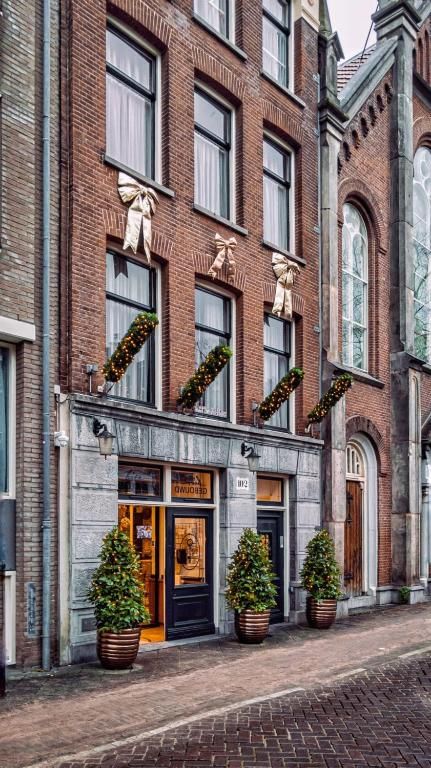
I started promoting events at a young age. By the age of 18, I started my own company focused on event promotion and hospitality, organising events end to end, staffing, and making sure everything ran smoothly. I loved the nightlife side, working concerts and events. Later, I started part-time shifts at Hotel van Onna to earn extra money for my wedding. This was when I fell in love with the hotel branch. When the manager at the time and the owner asked me several times to join the company full-time, I started to realize maybe it was time for a new challenge. I moved into hotels gradually, worked at Linden Hotel, and became manager there within a few months, staying around three years. At the same time Hotel van Onna was renovated into Mr Jordaan. I later returned to Mr Jordaan, continued supporting Linden, and also helped The Collector in The Hague with operational and compliance tasks. During COVID, all hotels closed except this one, and it became the operational base for staff and admin across the group. Managers and staff from the other properties came to me for support, and over time I effectively ended up running operations across all four hotels, which led to the creation of the Head of Operations role. I initially shared the role with a colleague, but she left around three years ago and I’ve done it solo since, alongside the owner.
How involved is the owner in the business, and how are you approaching changes like HR and new tools?
The owner is still very involved, depending on what’s happening operationally. Right now, the group doesn’t have an HR manager because the focus is on rebuilding the function first: implementing HR systems and tools, reorganising processes, and reducing admin workload.
Did you take the traditional hotel school route?
No. I studied something completely different. I completed a psychology-related study. The idea was always that if I ever wanted to leave the event business (back when I started studying), I would have other options. I didn’t want to study hotel or event management because I was already learning that through real work.
As Head of Operations, how do you balance group-wide standards while preserving the individuality of a hotel like Mr Jordaan?
Mr Jordaan has the strongest concept and story in the group. The hotel originated from Mr. Van Onna, which from the late 60s offered a place to sleep in his own home in the lovely Jordaan quarter of Amsterdam. He started with one room, growing it from a couple of rooms into a full hotel. Even after the owners took over and renovated it into Mr Jordaan, they kept his story and memory. His portrait remains downstairs, guests still return who stayed with him, and a staff member who worked with him is still here and has been with the hotel for around 30 years. The goal is to keep that housey, comfortable feeling and make the hotel feel accessible to guests from abroad but locals too, not formal or rigid. To give them a home away from home.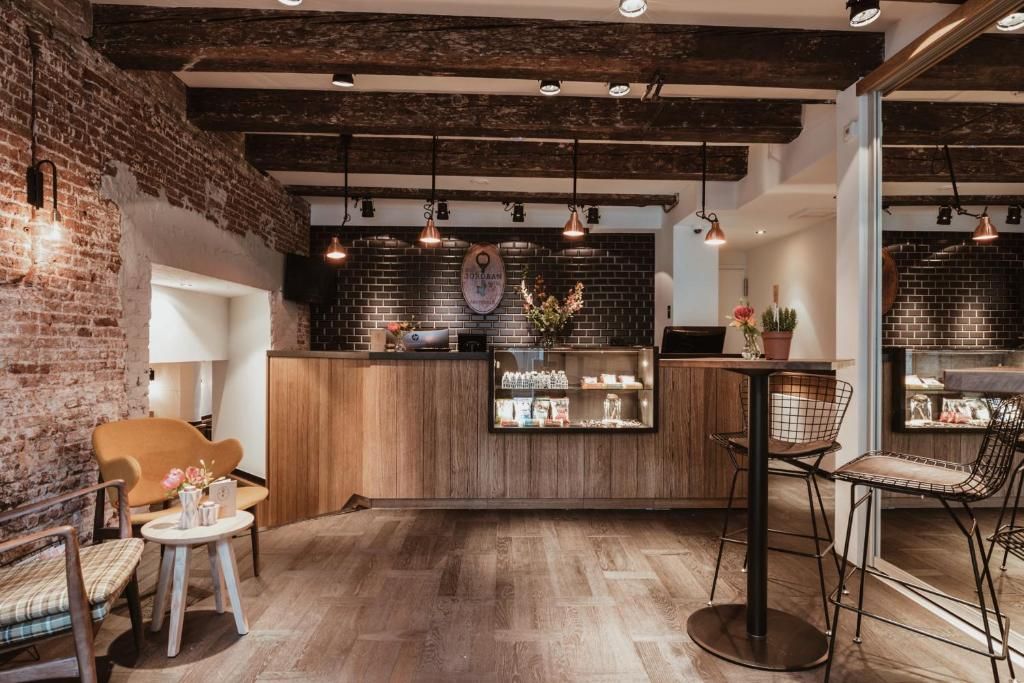
How does Mr Jordaan differ from the other properties, and why does that matter commercially?
Linden Hotel is more modern and focuses on tiny living. Experience the Jordaan and Amsterdam during your holiday. However, Mr Jordaan is the only hotel with a face behind it. A story can be created, but guests respond strongly to a story with a face. Mr Jordaan tends to perform best, even in low season, because the concept is very strong. Hotel Luxer is being renovated gradually, and The Collector is a modern four-star with great reviews. The hotel is a basecamp for explorers with a nose for adventure. An intimate place where personal stories are shared and individuality is embraced. Hotels with a stronger story generate more direct bookings and more returning guests.
Can you create “Mr Jordaan 2” if the concept is so strong?
It’s something that has discussed, including whether elements of the Mr Jordaan concept could influence other properties like Linden or Luxer. However, the group wants every hotel to have its own vibe and story, but it’s clear that having a strong story is essential, and that’s something being actively evaluated.
What do you want guests to experience or feel when they stay at Mr Jordaan?
Like I said before, “a home away from home,” meaning it should feel like a second home. Guests should be able to walk in, relax, have coffee, and feel comfortable. Many guests return regularly, and even when staying elsewhere (when we are fully booked), some still stop by to say hello. The team focuses on helping guests proactively, whether that’s solving problems, giving local recommendations, or supporting them what all their questions that they have during their stay. The overall feeling should be relaxed, supported, and genuinely cared for.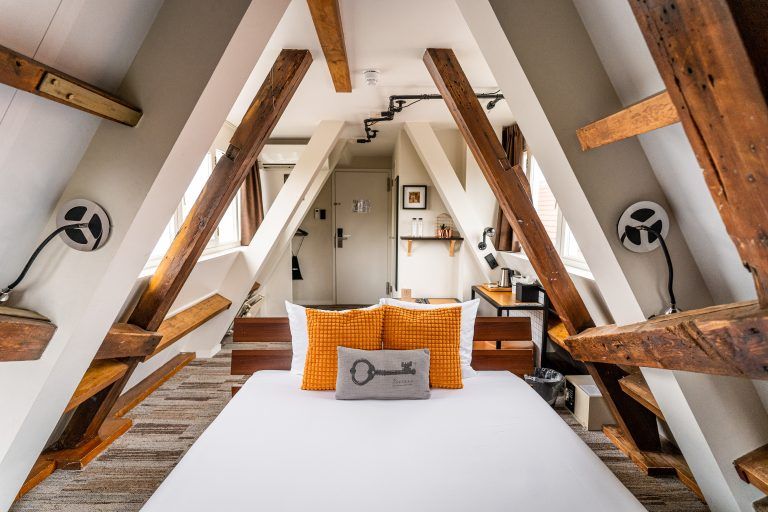
What’s one key lesson from operating a boutique hotel in a residential neighbourhood like the Jordaan?
You need your neighbours. A good relationship with the local community makes the hotel’s life much easier. The hotel also encourages guests to behave respectfully in the neighbourhood. When neighbours feel respected, they support the hotel, and in some cases guests and neighbours even build personal connections. Every year, we host a New Year’s gathering to stay connected with the neighborhood.
How does this reflect the wider group approach to design, service, and guest experience?
Across the group, the priority is that guests remember how they felt. The goal is for our guests to go home and think: Amsterdam or The Hague felt amazing partly because of how they were treated at the hotels. After a while they will have forgotten what they did but not how they felt. That emotional memory is what drives repeat bookings and recommendations.
Don't miss any exclusive Independent Hotel Show Amsterdam, interviews, insights and event news by signing up for our newsletter here.
)
)
)
)
)
)
)
)

)
)
)
)
)
)
)
)
)
)
)
)
)
)
)
)
)
)
)
)
)