

Hotelier Edit: Paul Suy, Co-founder, Yalo Urban Boutique Hotel Ghent
Can you tell us a little about your journey in hospitality and what led you to Yalo?
I came into hospitality almost by coincidence. I did not know what to study, so I chose hotel management, which was still quite new at the time. After graduating, I went to Gatwick to work for Hilton and improve my English. I intended to stay for six months and ended up staying in the UK for four years, moving into luxury hotels in central London before going to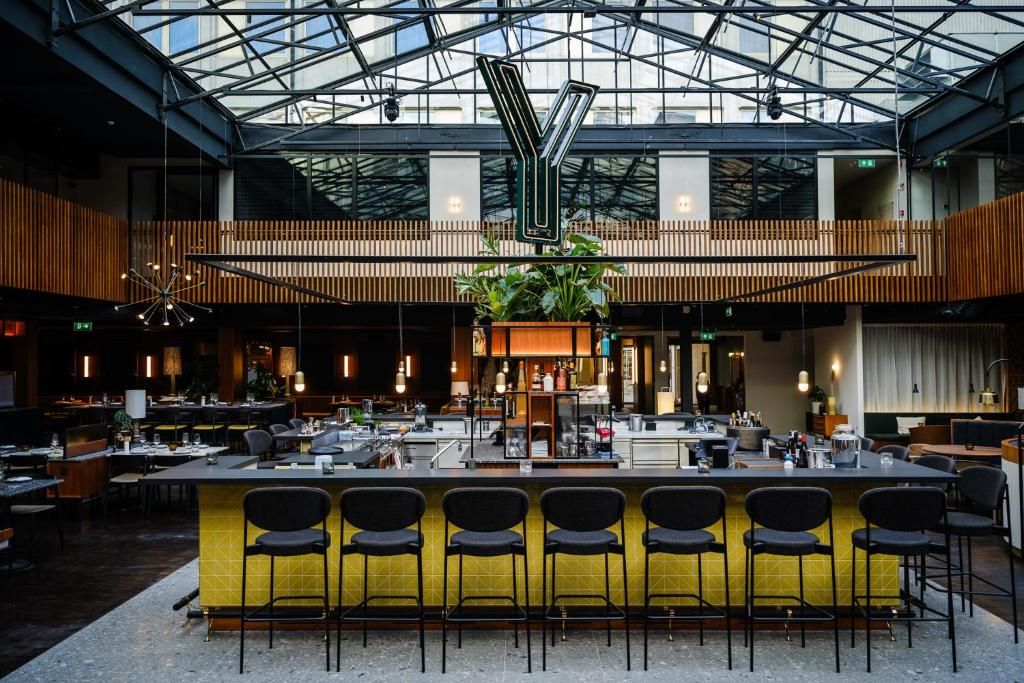 Paris.
When I returned to Belgium, I worked with Holiday Inn and then spent eight years with Accor, where I had my first General Manager role. In 2007, I was offered the opportunity to open the Marriott in Ghent, my hometown. It was a franchise property, and I had to work out a great deal for myself. That changed my career. I had always been a brand person; suddenly, I became an entrepreneur.
I went on to work on hotel openings across Europe before starting my own company in 2016. Later, I met the developer who owned this site in Ghent. We began talking about a hotel, and that became Yalo.
How did the original concept develop into the hotel we see today?Initially, we were considering an independent three-star hotel with a breakfast area on the first floor. The ground floor was going to be leased to a retailer. As the design developed, we realised we could do more. The rooms were looking very good, and we had this beautiful space downstairs. We started asking whether we should create a four-star hotel and develop our own food and beverage offer.
We visited places such as The Hoxton and Mama Shelter, but the project kept evolving around our own ideas. From the first conversations to opening, it took around five years to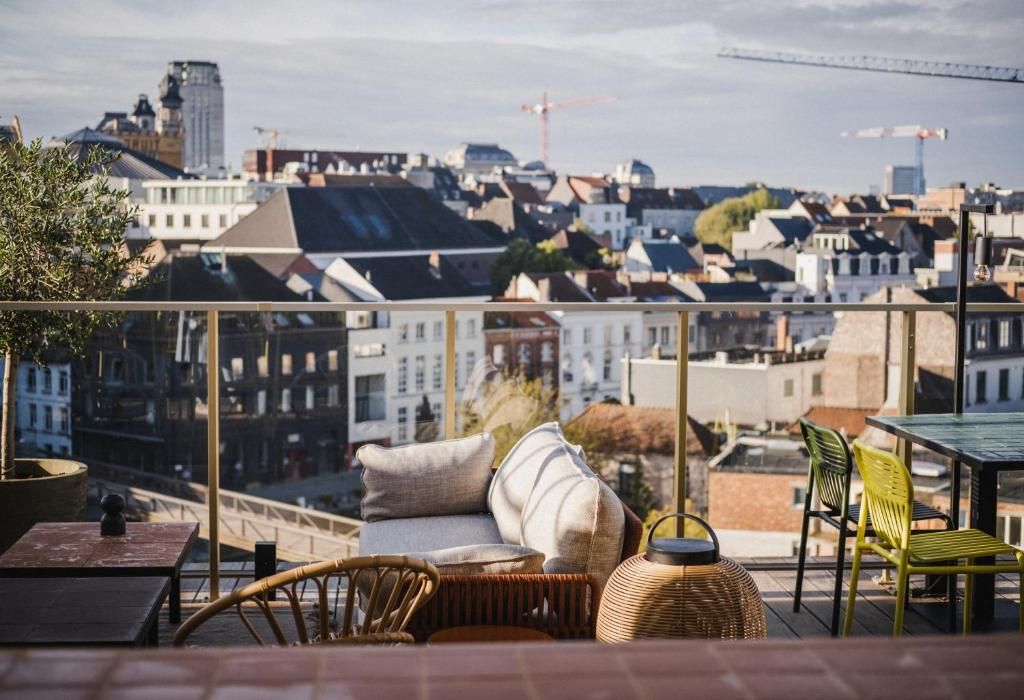 understand exactly what we wanted Yalo to be.
In some ways, it was an ideal moment. People really wanted to go out again, and we were bringing something new to the market. Locals wanted to visit, tourists wanted to come, and we welcomed many guests from the Netherlands when shops there were closed and those in Belgium were open.
Even in November and December, without the usual Christmas markets, we were very busy. Of course, there were restrictions, masks and Covid passes to manage, but the response to the opening was incredible.
Yalo brings together a hotel, restaurant, bars and meeting spaces. What was the thinking behind that mix?We wanted to be a hotel, and we wanted to be a restaurant and a bar. We did not want the restaurant to feel like an extra facility within a hotel. They were two equally important parts of the business from the beginning.
We discussed whether the restaurant needed a separate name, but decided Yalo was strong enough to bring everything together. Around half of our revenue comes from food and beverage, so the two sides really do work alongside each other.
The restaurant and bar give the hotel its atmosphere. Locals come in, there is always something happening, and guests can move from a drink to dinner and back to the bar. People stay with us because they enjoy that whole experience. The rooms matter, but so does what happens downstairs.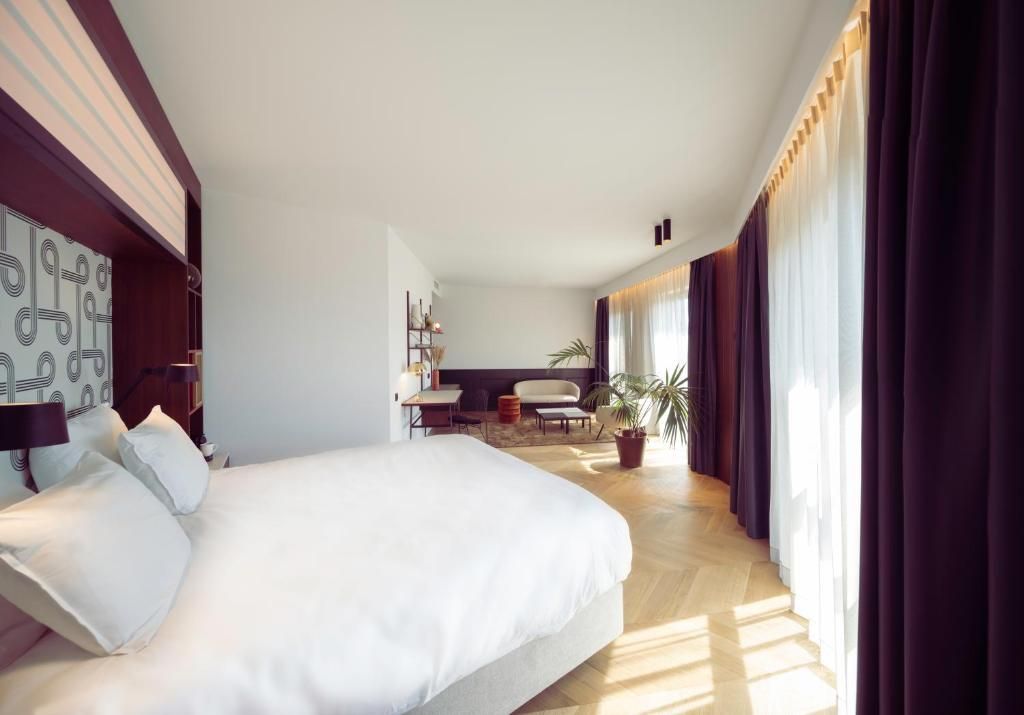
It is authentic because we created it ourselves. We are local entrepreneurs and owner-operators, and we are here every day. We source vintage furniture ourselves, and the details come from the people involved in the business.
My background is in hotels, my partner is a real estate developer, and his wife is involved too. All those contributions have shaped Yalo. It has not been designed around a formula in a corporate office.
That is also why another Yalo should not be an exact copy. It can share the same outlook and approach to hospitality while having its own character.
How do you welcome different types of guests while keeping a clear identity?People come for different reasons. They might be visiting clients, attending a meeting, exploring Ghent or travelling around Europe. What brings them together is that they enjoy the atmosphere here.
We do not change our identity for each audience. A company books Yalo because it wants the Yalo experience. We can meet its practical needs without changing the whole character of the place.
You also have to accept that you cannot please everybody on every occasion. My mother is 89 and loves coming here for lunch or an afternoon glass of wine, but she would not choose a Friday or Saturday night. Different moments suit different people, and that is fine.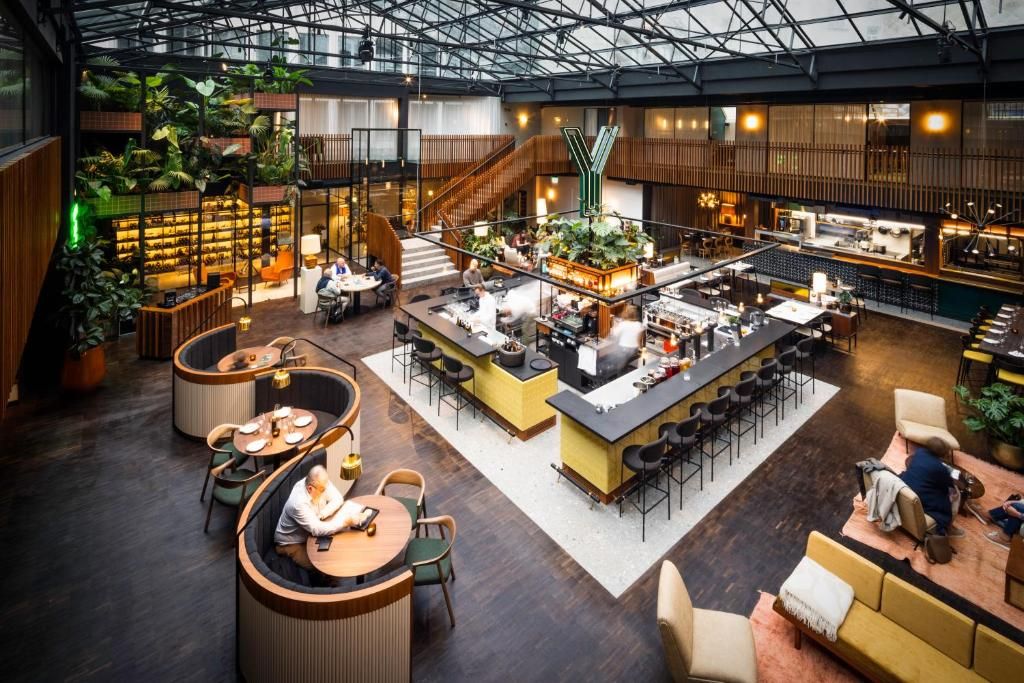
You have to keep asking questions and watching your customers. Otherwise, something that starts successfully can become a short-lived hype. We want to stay relevant without constantly changing who we are.
Some dishes have been on the menu from day one because people love them, but we also introduce new ideas, including offers for younger diners and after-work events. The way we speak and the kind of people we bring into the team remain consistent.
Behind the scenes, there is much more change. Distribution, social media, websites and the way people use AI to find hotels are all evolving. We invest in those areas, even if guests do not see that work directly.
What do you look for in suppliers and partnerships?We are loyal to our suppliers, and they are loyal to us. We work with local coffee and beer suppliers because we know those people, they know us, and they come here. It is a natural relationship rather than a marketing exercise.
At the same time, a recognised brand can be the right fit. When choosing guest amenities, we considered creating our own range, but did not feel that would add enough value. We chose Grown Alchemist because it suited Yalo, and it has been a good partnership.
It is about finding the right combination of local businesses and established brands, then building relationships that work over time.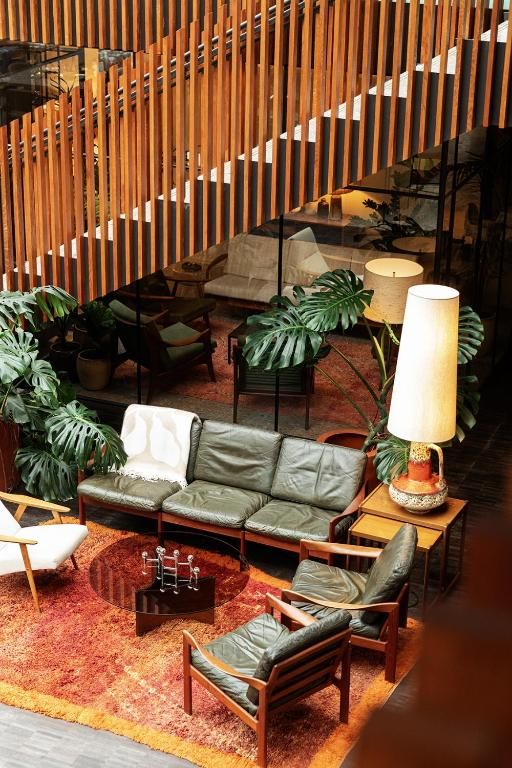
We use AI and automation, but mainly to improve efficiency and make things easier for guests. One practical example is communication before arrival. Emails can be difficult, particularly with bookings through online travel agents, so we also use WhatsApp.
Getting here by car is not straightforward. If guests put the hotel entrance into their navigation, rather than the car park entrance, they can end up in the wrong place. Being able to send clear information directly makes a real difference to their arrival.
Behind the scenes, AI can help us understand guests, handle enquiries and look at how quickly we respond to meeting and event requests. The purpose is to help us work better. It does not change the importance of the people welcoming you when you arrive.
You offer digital check-in, but still have a staffed front desk. What have you learned from that?When we started, we thought self-check-in and keyless access would be very popular. We have those options, but many guests still come to the desk. We could remove that choice and make everybody use the technology, but that is not what we want to do.
There are practical issues too. Guests may need to download an app, or their phone battery may be flat. If someone wants to use digital access, they can, but we do not push it.
There is a market for many different hotel models. For the experience we want to offer, people are essential. Technology can support hospitality, but it cannot replace the welcome and connection that come from a good team.
What are your ambitions for the Yalo brand?We would like to do more, but we do not need to be everywhere. We are hoteliers and local entrepreneurs who enjoy what we do. Any new location has to make sense for the concept and for us.
Brussels is the next opportunity we are working on, in the Châtelain area. I know the city well, and I believe the neighbourhood has the right mix of local life, shops, restaurants and nearby businesses for Yalo.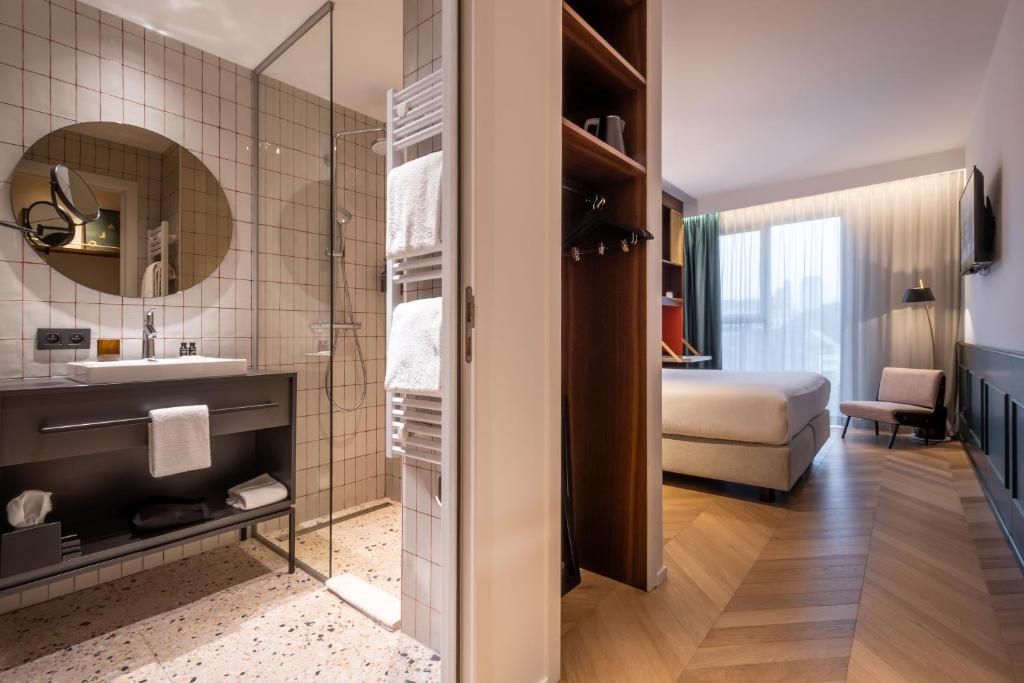
The idea is to keep the same principles rather than reproduce Ghent. Our promise is to connect people to the good life, whether they come to stay, eat, drink or meet. That includes our staff: they need to enjoy being part of it too.
What advice would you give someone building a career in hospitality?You need to love hospitality and enjoy creating good experiences for people. Titles and promotions can be important, but they should not become the reason you do the job.
Stay true to your principles and put the guest first. This is a people business: people looking after people. If you remember that, you have a very good foundation for a career.
And if you are young, travel. Work in different places, see how other people do things and build your experience. That has been incredibly valuable to me.
What do you see as the biggest challenges for Belgian hospitality?Labour is expensive, and finding good people is difficult. There is also pressure from financing costs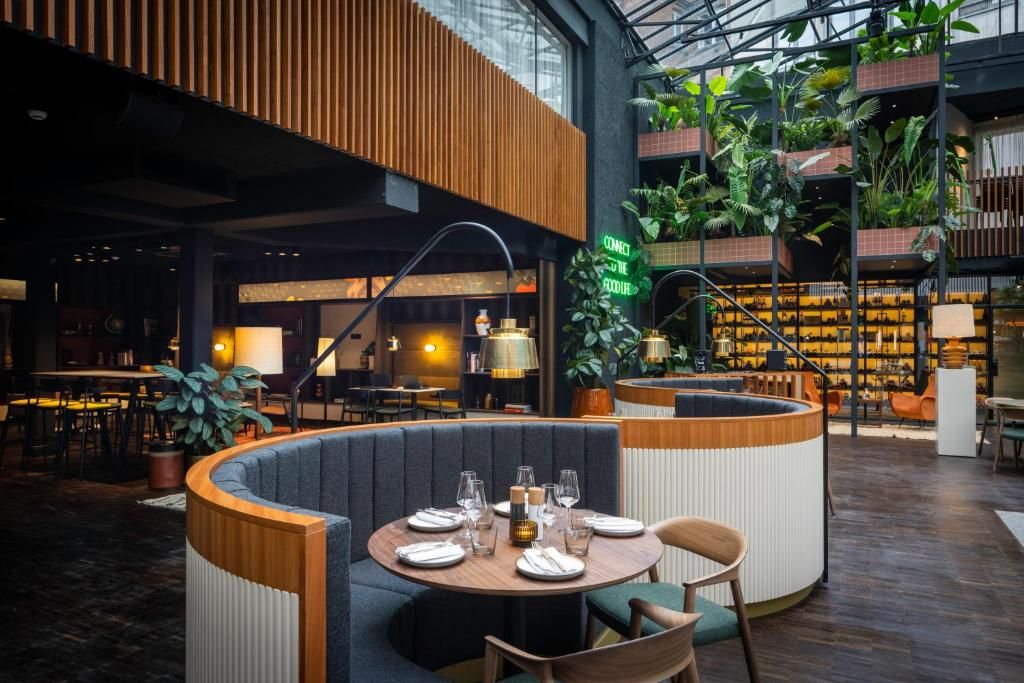 and uncertainty in the wider market. I have worked through several difficult periods during my career, and while the circumstances change, the basic purpose of hospitality remains the same: welcoming people.
Food and beverage is particularly demanding. I understand why some hotels focus mainly on selling rooms. A successful restaurant and bar take a great deal of energy, and a significant fall in revenue can quickly create problems.
For us, it is a part of the business we enjoy and believe in. But running a hotel and running a food and beverage business require different skills. If you want to do both well, you have to understand both.
Don't miss any exclusive Independent Hotel Show Amsterdam, interviews, insights and event news by signing up for our newsletter here.



)


)
)
)
)

)
)
)
)

)