)

The Hotelier Edit: Rogério Carvalho, General Manager of Pestana Amsterdam Riverside
Pestana Amsterdam Riverside is housed in the former Amsterdam City Archives. What is it like operating a luxury hotel within such a historic building?
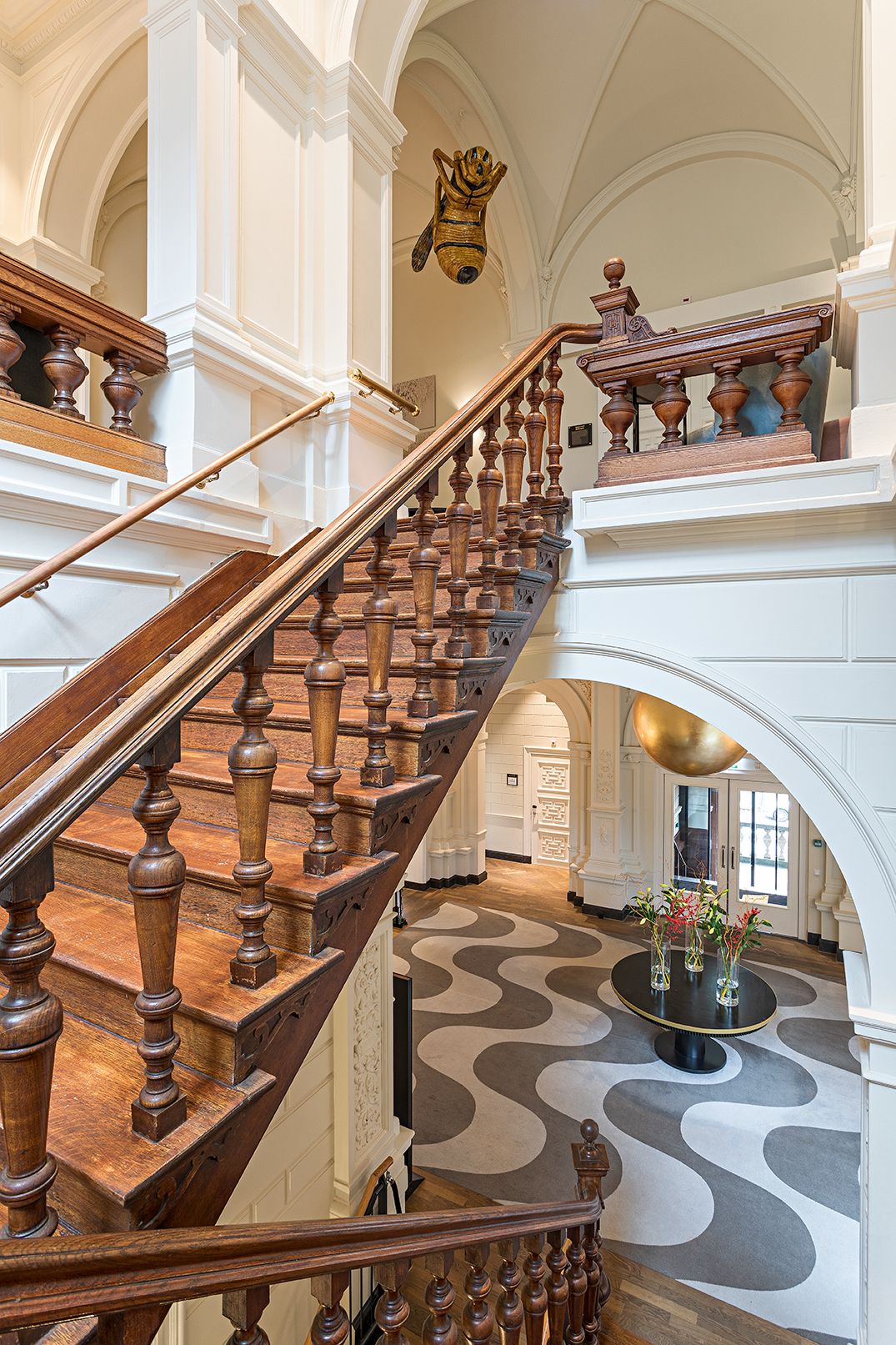 This building has a thousand stories. It was the Amsterdam City Archives and is still a monument, so there is so much history here. Of course, that also brings challenges: you cannot simply change anything you want. If we want to make certain changes, we need to work with the city and make sure we protect the original character of the building. For example, we had an issue with noise in two rooms and wanted to improve the glazing so we had to make sure the new windows matched the existing façade. It can make things more complicated and more expensive, but that is also part of operating a building like this. The hotel is now almost ten years old, so we are starting to refresh some areas and look at how we use the spaces, but you have to do that while respecting what is already here.
There is a very strong Portuguese identity throughout the hotel. How important is it to retain that in Amsterdam?
We don't want to lose the Portuguese roots that we have. You see it throughout the hotel, from the art and ceramics to the products we use. We work with Portuguese artists, designers and suppliers and there are small details everywhere. Even the carpet in the lobby references the waves and above it, the sun of Madeira, where Mr Manuel Pestana, the founder of Pestana Group, was born. We like to promote Portuguese brands because they are really good products in terms of quality, and it also gives the hotel something different. At the same time, we are in Amsterdam and the history of this building is very Dutch, so you have these two identities coming together.
Recruitment remains a major challenge for hotels. How have you approached building your team in Amsterdam?
The employment market here is very challenging, so we have a mix within the team. We bring a lot of people from Portugal and help them settle in Amsterdam - we support them with accommodation for the first few months while they find their own place, for example. Because they already know Pestana and the culture of the company, there is also a loyalty to the brand.
We encourage mobility within the group too. If somebody is working at one of our seasonal properties, for example, they can have an opportunity to gain experience somewhere else. At the same time, we have a very international team, so we also make sure they understand where they are working. We have an initiative where we teach our colleagues about Dutch culture and Amsterdam as it is important that they understand the destination and can share that with our guests.
What changes have you made since returning to Pestana Amsterdam Riverside?
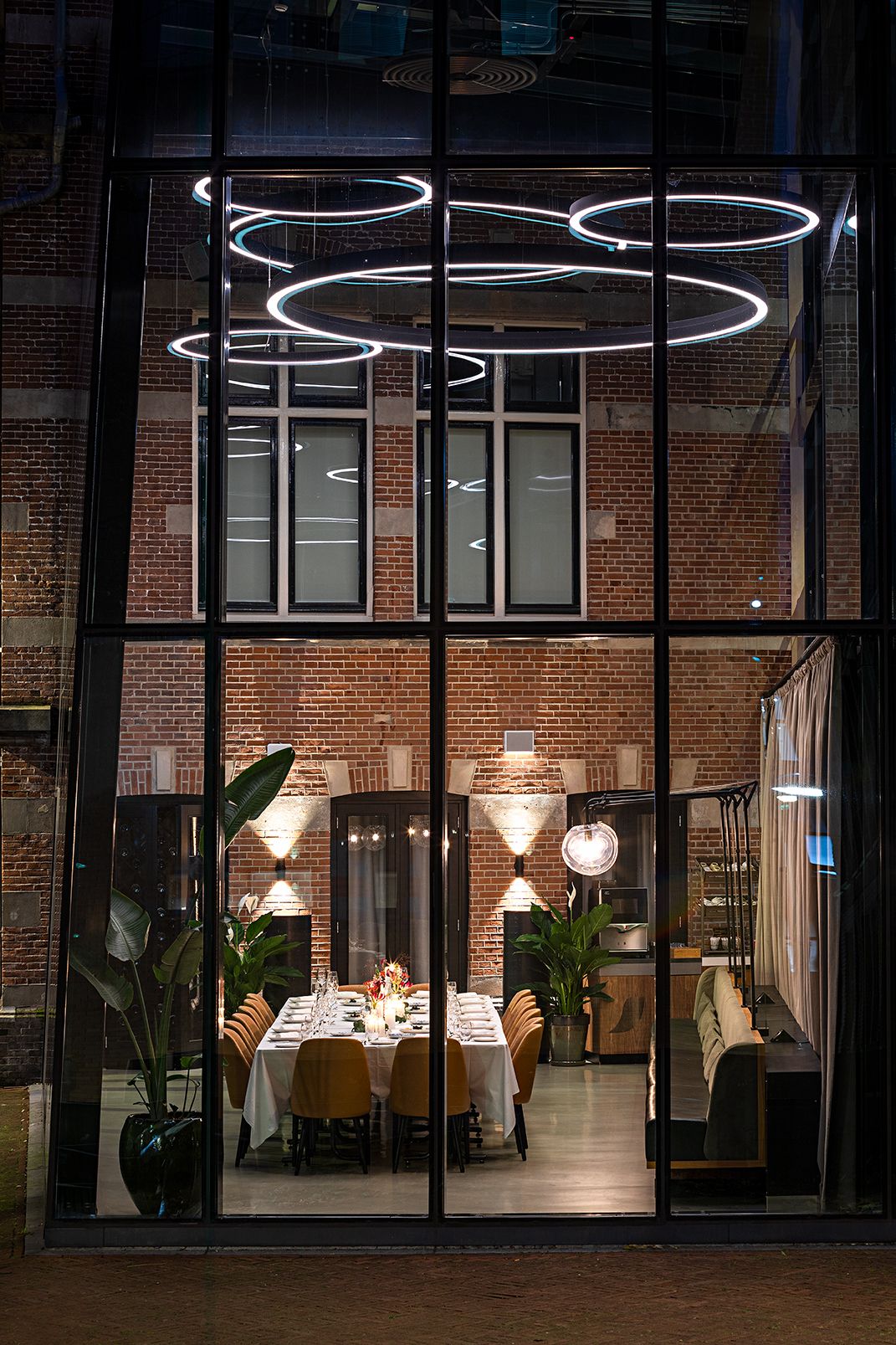
I am always looking at how we can make better use of what we already have. The restaurant is a good example. Before, the restaurant was open for dinner five days a week and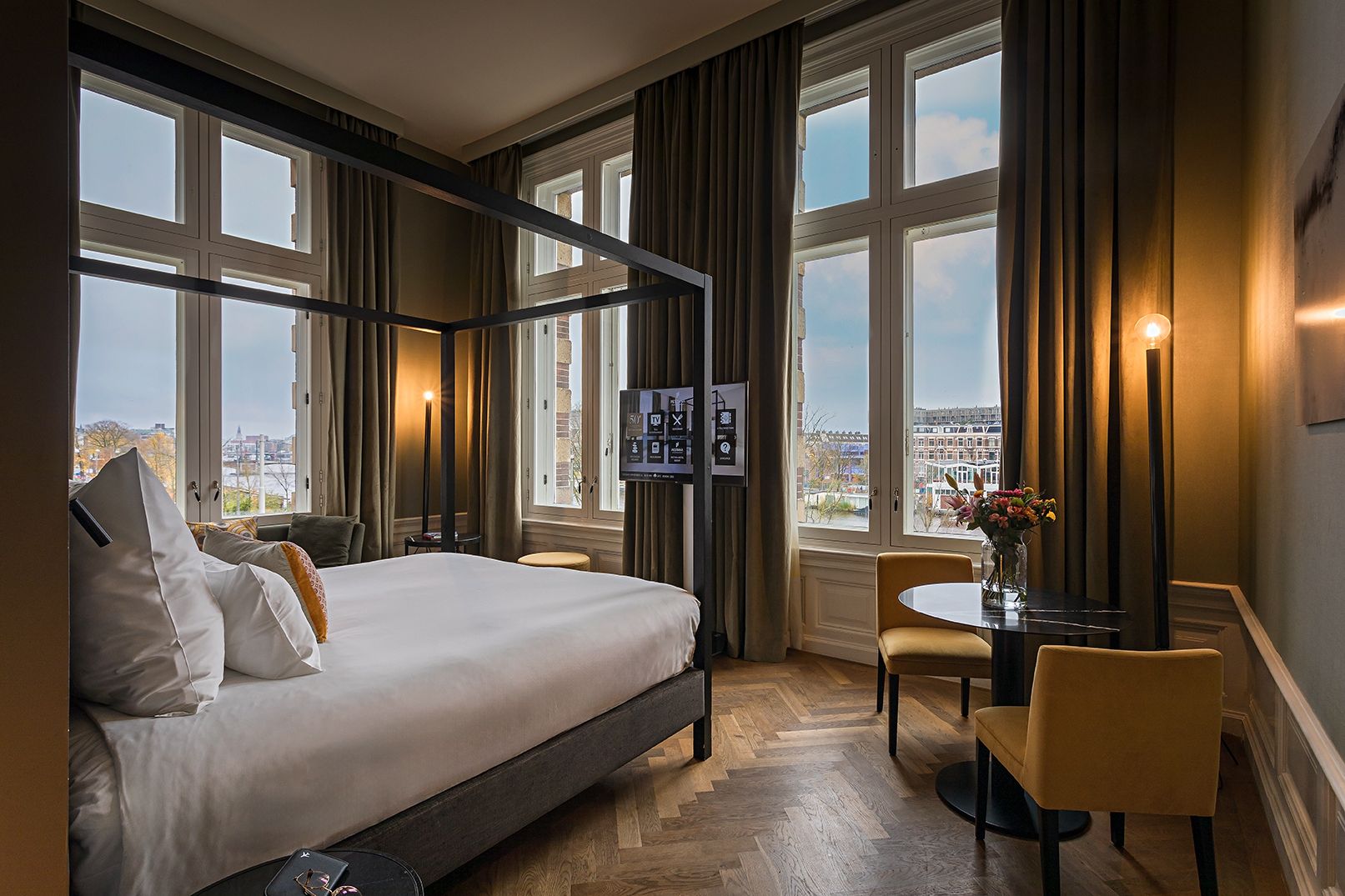 there was almost nothing happening at lunchtime. But the team was already here after breakfast, so I thought, why not use that?
Now we are open seven days a week and we have developed lunch. Before, we might have one, two or three covers. Now we are doing around 20 to 25 covers at lunch every day. We are still not at the level I want us to be, but we have created additional revenue using the people and operation we already had.
I also look at the spaces in the hotel and how they work. Sometimes it can be something very simple, like moving furniture because I think the room works better in a different way. You have to look at the property all the time and ask what can work better.
How do you balance valuable group business with maintaining the experience of an individual luxury hotel?
It can be a challenge. We work with river cruise groups and that is very good business for us, but the hotel was not really designed for large cruise groups. Sometimes we could have two groups overlapping, which might mean 70 or 80 people arriving at the same time. Then you have to think operationally about how you manage that without affecting everybody else's experience.
We are looking at different spaces within the hotel and how we can use them. It is about finding that balance. Of course you want the revenue, but you also need to protect the experience of the guest.
What changes are you seeing in the Amsterdam hotel market?
 There are challenges. City tax is something we talk about a lot as hoteliers because Amsterdam is competing with other cities, particularly for meetings and events business. We are watching what happens and how the market develops. Amsterdam is still an incredible destination, but hotels have to keep adapting. For us, the focus is on what we can control within the hotel: making sure we have the right team, improving the restaurant, using our spaces in the best way and giving guests a great experience.
What does great hospitality look like to you today?
For us, it is personalised service. We like to welcome guests and talk to guests. We have regular guests who stay with us for longer periods and, over time, you learn exactly what they want and what they prefer, from their juice to their coffee. You build that relationship.
Technology will continue to develop, of course, but for a hotel like ours, that personal contact is very important.
Every hotel has its own challenges. The grass can always look greener on the other side, but every property has its ups and downs. And with a building like this, there is always something else to discover. It really does have a thousand stories.
)
)
)
)
)
)
)
)

)
)
)
)
)
)
)
)
)
)
)
)
)
)
)
)
)
)
)
)
)