)

What the Next Generation of Travellers Really Wants
The line between hostels and hotels is becoming increasingly blurred. Once associated with bunk beds and budget-conscious backpackers, hostels have evolved into something entirely new: the poshtel. Combining the social atmosphere and accessibility of a hostel with the design, comfort and experience-driven approach of a boutique hotel, poshtels are rapidly gaining popularity among younger travellers.
For independent hoteliers, this trend offers valuable insights into how guest expectations are changing, and what boutique hotels can learn from this emerging hospitality model.
A New Generation, A Different Set of Priorities
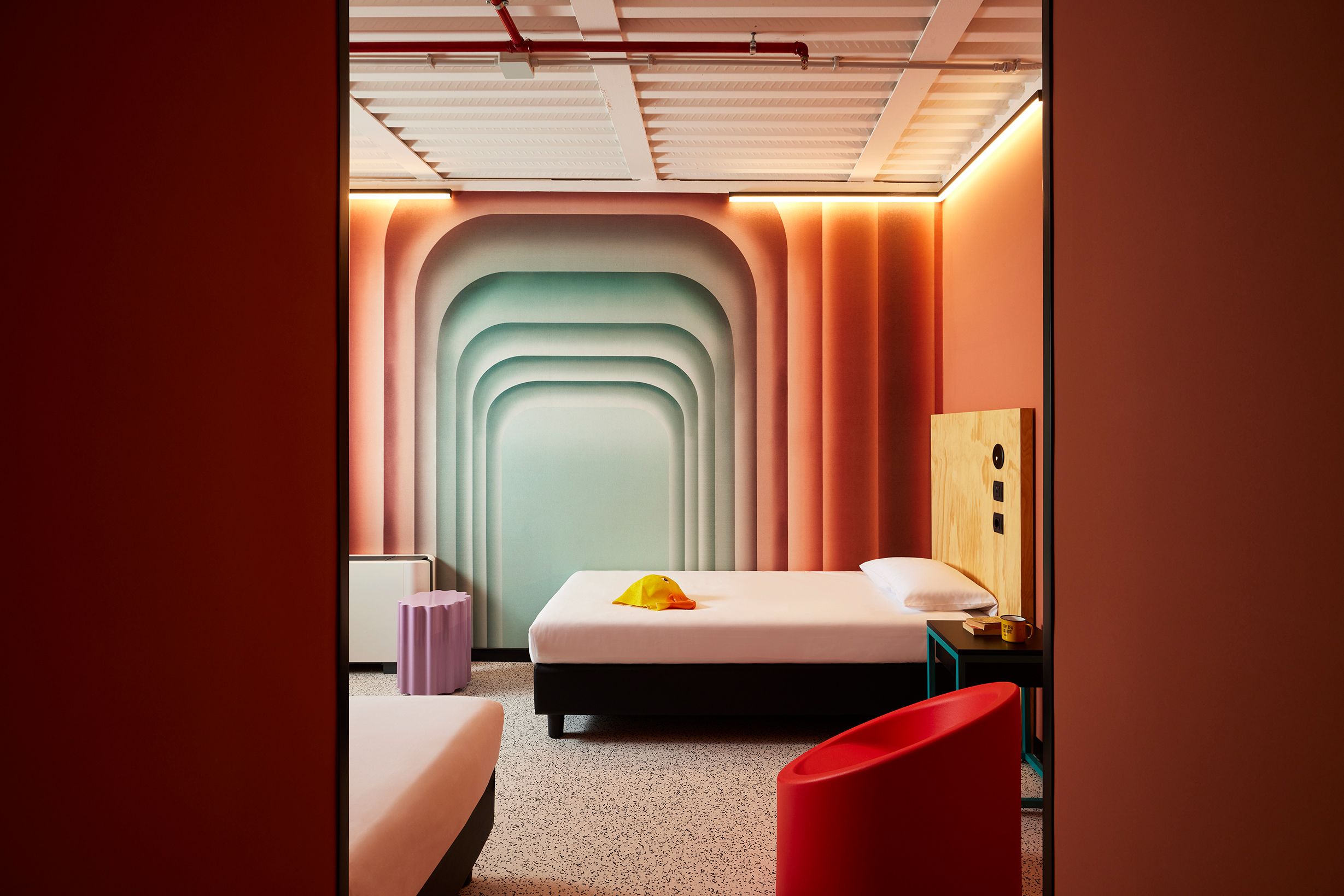 Generation Z and younger millennials approach travel differently from previous generations. While they remain value-conscious, they are not simply looking for the cheapest option. Instead, they prioritise experiences, authenticity and meaningful connections.
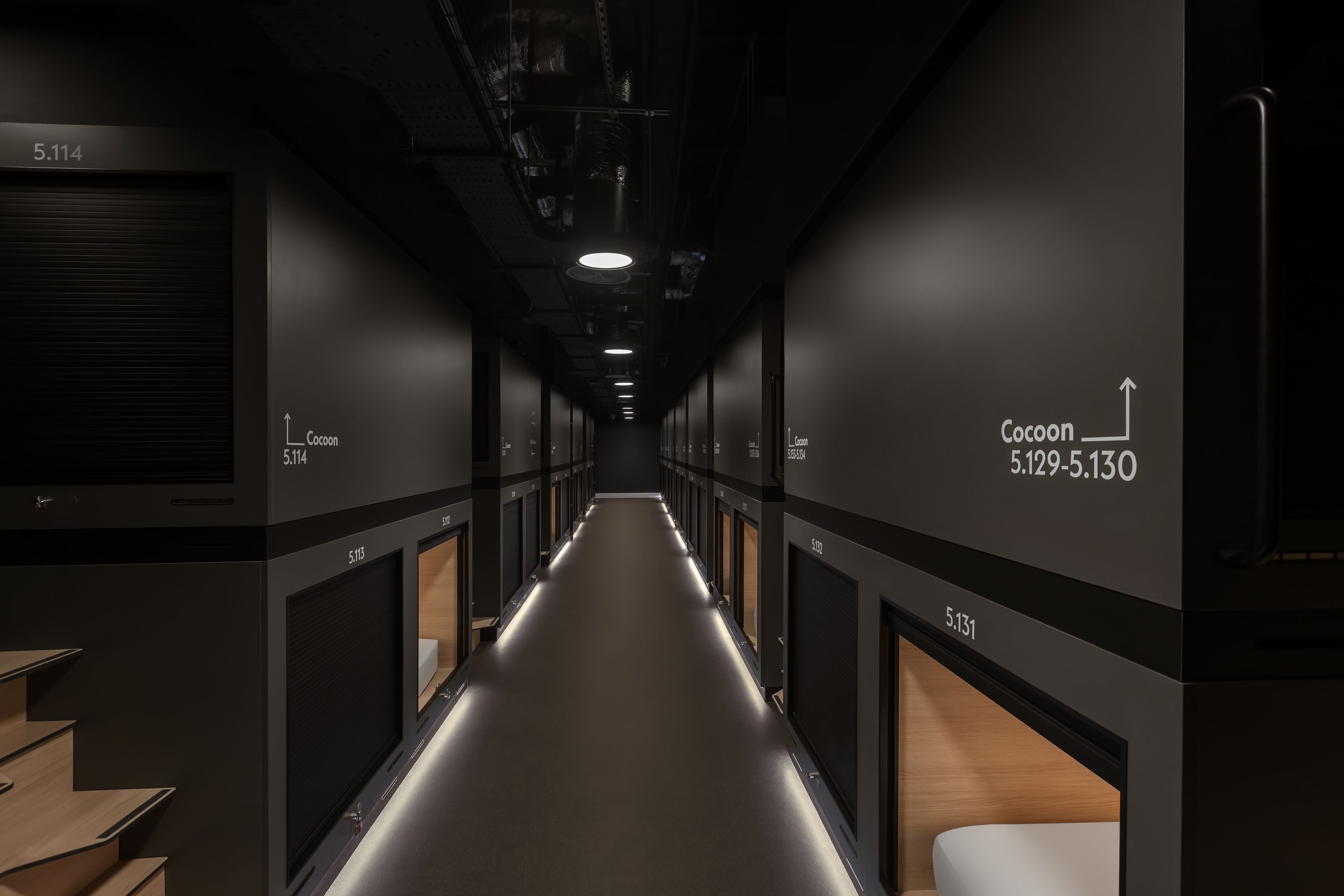
A compact room or smaller private space is often perfectly acceptable, provided it is balanced by inspiring communal areas, thoughtful design and opportunities to engage with local culture and fellow travellers.
This shift helps explain the success of concepts such as Jo&Joe, The Generator, The Social Hub and Zedwell Hotels. These brands are not merely selling a bed for the night; they are selling community, lifestyle and experience. Guests are drawn to shared spaces, curated events, co-working facilities, vibrant bars and opportunities to connect with like-minded people.
Why Boutique Hotels Should Pay Attention
Many boutique hotels already possess qualities that poshtels are striving to create: character, authenticity and a compelling story. Yet while boutique hotels often focus their marketing on rooms and amenities, younger travellers are increasingly attracted by everything that happens beyond the guest room.
For this audience, a hotel is no longer simply a place to sleep. It is an integral part of the travel experience. They want to discover local culture, meet interesting people, work remotely, stay active and create memorable moments worth sharing.
The question, therefore, is not whether boutique hotels should become hostels. Rather, it is how they can adopt some of the qualities that make poshtels so appealing. 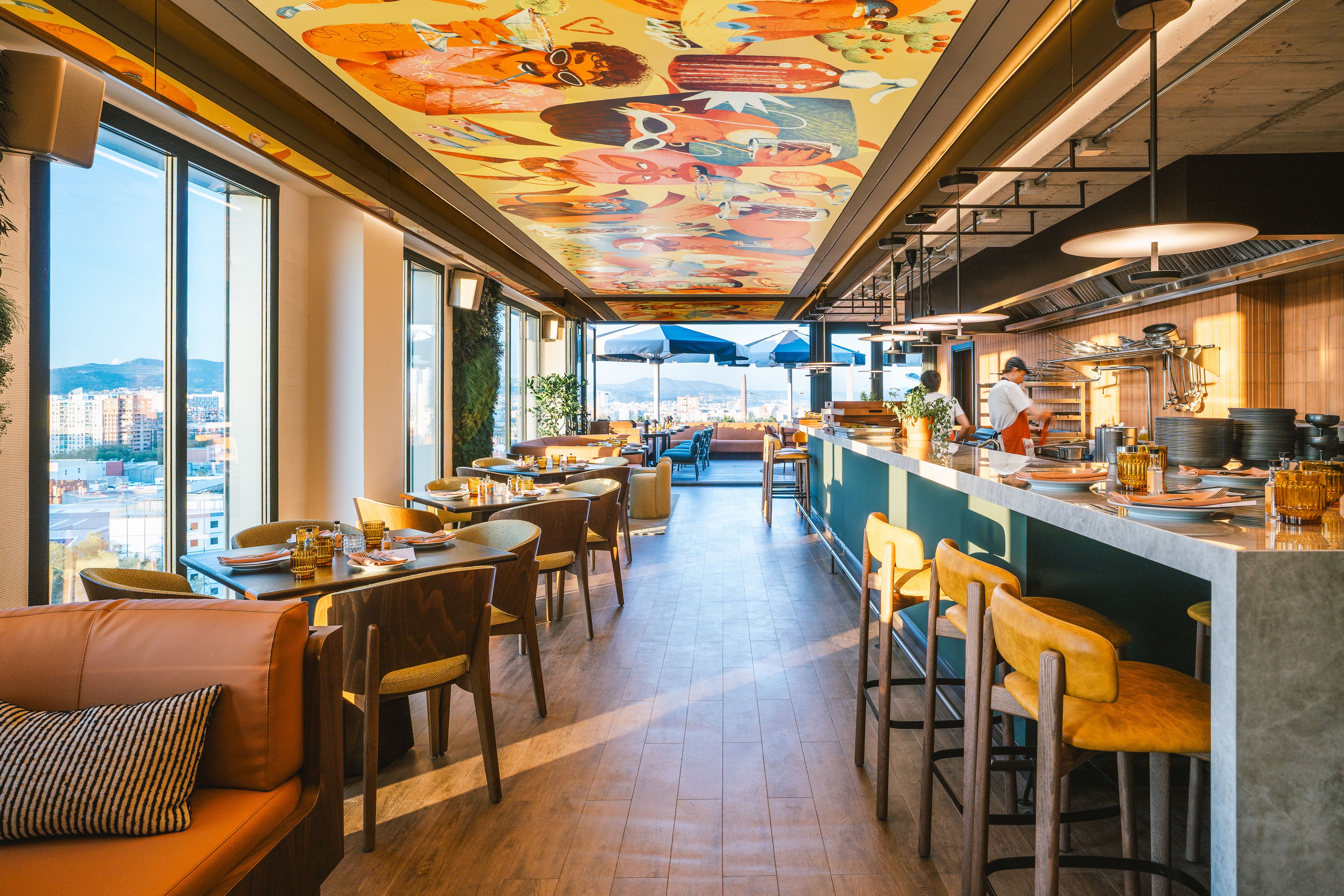
Five Lessons Boutique Hotels Can Learn from Poshtels
- Sell Community, Not Just Accommodation
Today’s travellers are looking for connection. Communal dinners, local events, workshops, live music and collaborations with neighbourhood creatives can transform a stay into a richer experience.
The most successful hospitality concepts create opportunities for guests to interact. Not only with the destination, but with each other.
- Turn Public Spaces into Destinations
The lobby is no longer simply a place to check in. Increasingly, it serves as a living room, co-working hub, social gathering space and bar all in one.
Well-designed communal areas encourage guests to spend more time on property, create opportunities for interaction and strengthen the overall guest experience.
- Create Accessible Entry Points to Your Brand
Not every young traveller will immediately book a premium suite. However, they may visit for a cocktail, brunch, event or day of remote working.
By creating low-barrier ways to engage with your hotel, you build brand awareness and loyalty among future guests.
- Deliver a Seamless Digital Experience
 From booking and check-in to communication throughout the stay, younger travellers expect convenience and speed.
An intuitive booking journey, mobile-first services, excellent connectivity and frictionless communication are no longer differentiators, they are expectations.
- Communicate What You Stand For
Authenticity, sustainability and social responsibility increasingly influence booking decisions. Guests want to understand how a hotel operates, where products are sourced, how staff are treated and what contribution the business makes to the local community.
Hotels with a clear purpose and transparent values are often better positioned to resonate with younger audiences.
The Future of Luxury Is Social
The rise of the poshtel reflects a broader shift in how younger generations define luxury. Increasingly, luxury is not about larger rooms, higher prices or traditional status symbols. It is about meaningful experiences, genuine connections and a strong sense of place.
For boutique hotels, this presents a significant opportunity. Independent properties are uniquely positioned to deliver the authenticity, personality and local relevance that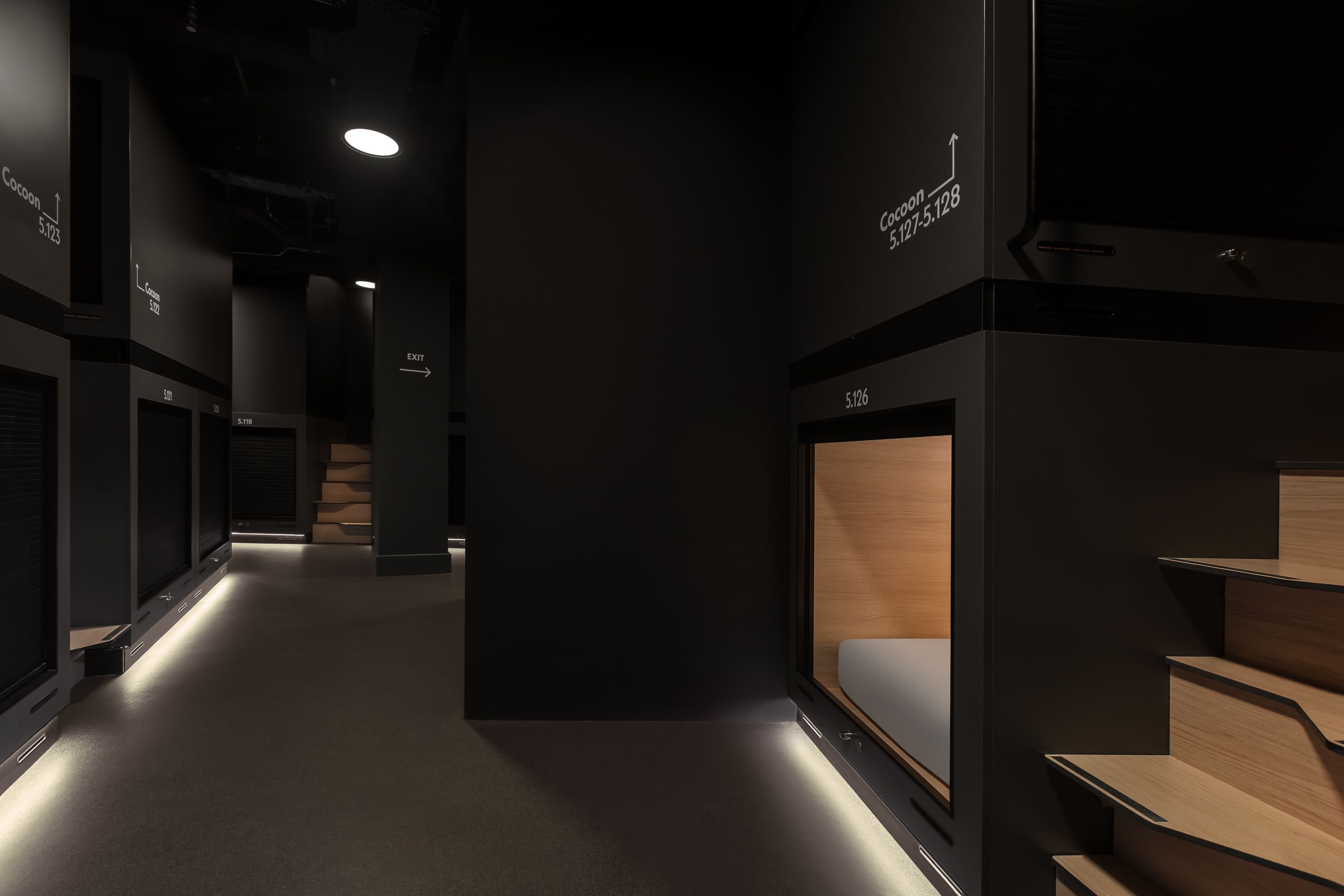 modern travellers are seeking.
The hospitality brands that thrive in the years ahead may not necessarily be those with the largest rooms or the most extravagant facilities. They will be the ones that create the strongest communities, tell the most compelling stories and offer experiences that guests genuinely want to be part of.
Text: Vincent van Dijk – trend forecaster
Don't miss any exclusive Independent Hotel Show Amsterdam, interviews, insights and event news by signing up for our newsletter here.
)
)
)
)
)
)
)
)

)
)
)
)
)
)
)
)
)
)
)
)
)
)
)
)
)
)
)
)
)