)

Trend Article: Radical Transparency
Radical transparency: from trend to necessity in hospitality
Transparency is rapidly becoming one of the defining themes as we move towards 2026. This global movement, often referred to as radical transparency, is visible across almost every sector, from politics and fashion to communications and business. Within hospitality, it is no longer a differentiating factor but an essential expectation.
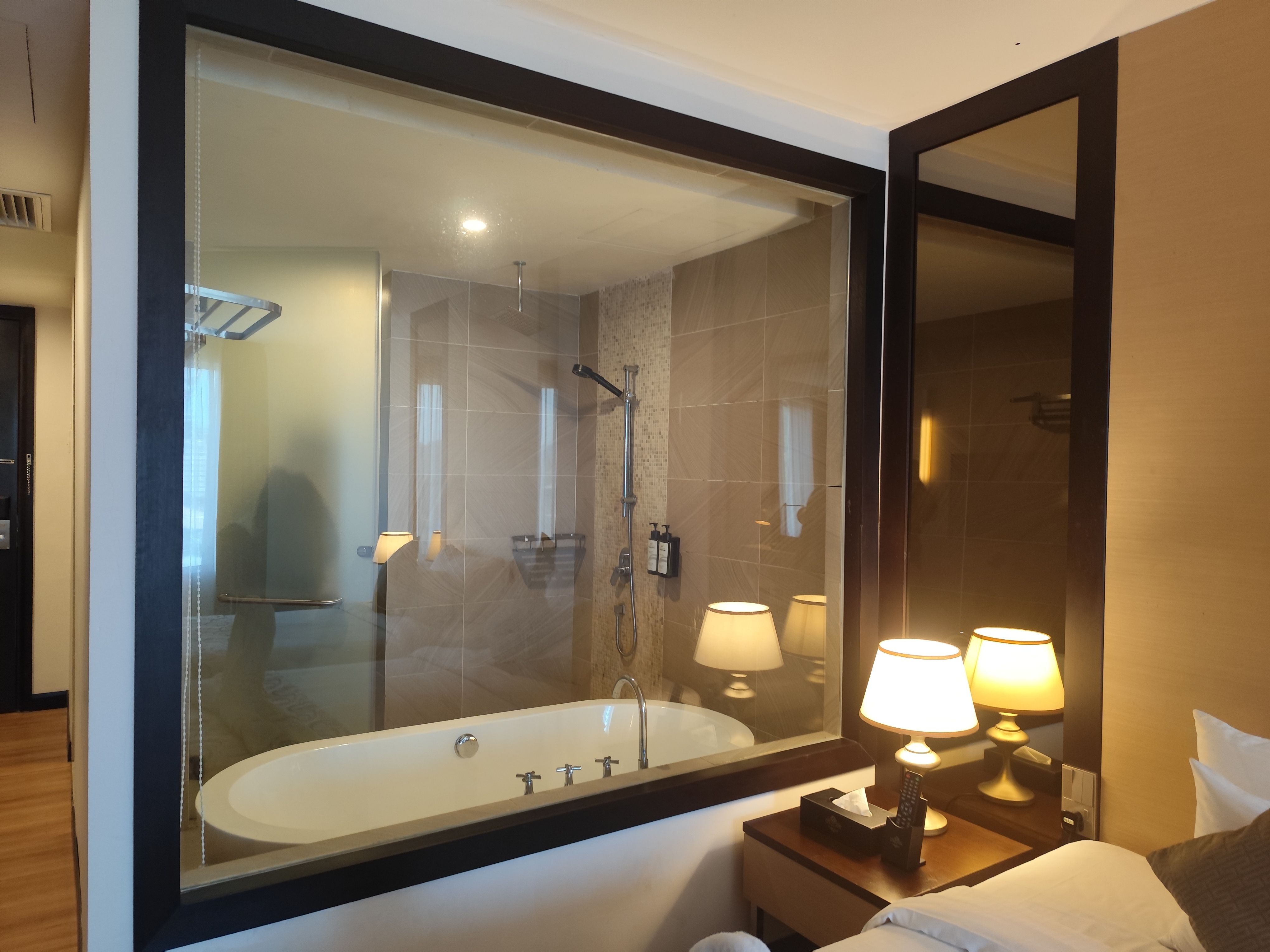
Today’s guest expects complete clarity. This begins with the basics, such as the origin of products, the ingredients used in a dish or cocktail, and how services are composed. In hotels, however, expectations go further. Guests increasingly want a clear understanding of how the price of a stay is structured, including additional charges, service fees and taxes. More than that, they want the ability to influence that price themselves by choosing what they do or do not include, whether that is breakfast, housekeeping, a room with a view or a late check out.
Broader impact
Transparency, therefore, is not limited to pricing. Guests are also looking beyond the transaction to the broader impact of a hotel. They want insight into environmental practices such as energy consumption and waste management, as well as the social role a hotel plays within its community. There is growing interest in how staff are treated and how guest data is handled. In short, guests want to understand what a hotel stands for and how it operates behind the scenes.
More informed
It is no coincidence that transparency has become so important. We are living in a time marked by uncertainty, both economically and geopolitically. In such a climate, people seek clarity, structure and reassurance. At the same time, consumers are more informed than ever. Social media, review platforms and digital content continuously scrutinise businesses, products and people. When something appears unclear or inconsistent, it is quickly exposed and widely discussed. Conversely, openness can strengthen trust and foster loyalty. Themes such as sustainability, ethics and inclusion are now central to how a brand is perceived.
More sceptical
This shift is being accelerated by Generation Z. Having grown up in a digital environment, they are accustomed to constant access to information and to seeing how things work behind the scenes through platforms such as TikTok and YouTube. They are quick to recognise superficial messaging and are more sceptical of institutions due to factors such as political polarisation and greenwashing. For this generation, transparency is not an added benefit but a prerequisite.
Gen Z values authenticity
Where previous generations often responded to polished and aspirational branding, Gen Z values authenticity, including imperfections, nuance and honesty. Radical transparency signals that a brand or business is human. It also creates space for dialogue. Rather than simply receiving messages, this generation expects to engage, to question and to be heard. Transparency makes that interaction possible by showing not only what is done, but also why.
Clear opportunity
For hoteliers, this presents a clear opportunity. Transparency can serve as a powerful tool to build trust and to differentiate in a competitive market. By communicating openly, offering clarity around pricing and operations, and being honest about both achievements and challenges, hotels can create stronger and more meaningful relationships with their guests. In an environment where trust is increasingly valuable, transparency is not just good practice, it is fundamental.
EXAMPLES OF TRANSPARENT HOSPITALITY
ZEDWELL HOTELS
A great example of transparency is this hotel concept with multiple locations in London. At Zedwell, guests can create their own level of luxury. From a compact Cocoon to a Premium Family Cocoon. All rooms are designed with a strong focus on sleep quality and mental well-being, but it’s up to the guest to decide the size and which extras to add. Whether it’s housekeeping, towels, early check-in, or access to the gym, every element is optional. This way, guests are fully in control of how much they spend and the experience they create.

SIX SENSES
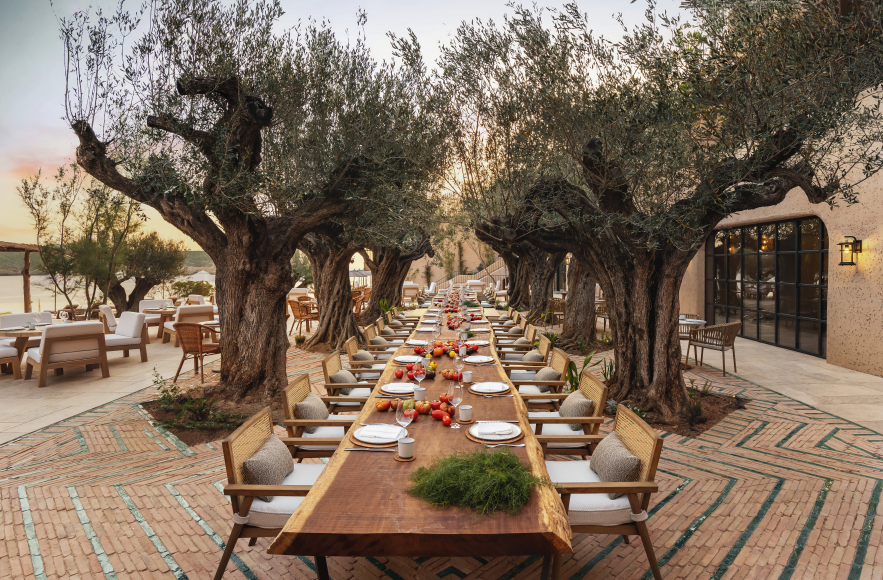
Six Senses is a strong example of transparent, responsible luxury hospitality. The brand actively gives back to local communities and the environment through initiatives such as sustainability funds, local sourcing, and community projects, ranging from education to biodiversity. What sets them apart is how visible and tangible this impact is: guests are clearly informed about where their money goes and are often invited to engage with these initiatives through on-site experiences. This openness makes sustainability part of the guest journey, building trust and showing that true luxury today is not just about comfort, but also about meaningful and measurable impact.
This trend, along with all other current hotel trends, will be featured at the Independent Hotel Show Amsterdam on April 22 & 23.
)
)
)
)
)
)
)
)

)
)
)
)
)
)
)
)
)
)
)
)
)
)
)
)
)
)
)
)
)